Researchers show single molecule parity changes quantum chain interaction with superconductor
Scientists at CIC nanoGUNE and the University of Santiago de Compostela published findings in Nature showing how adding or removing a molecule alters a quantum chain's magnetic response.
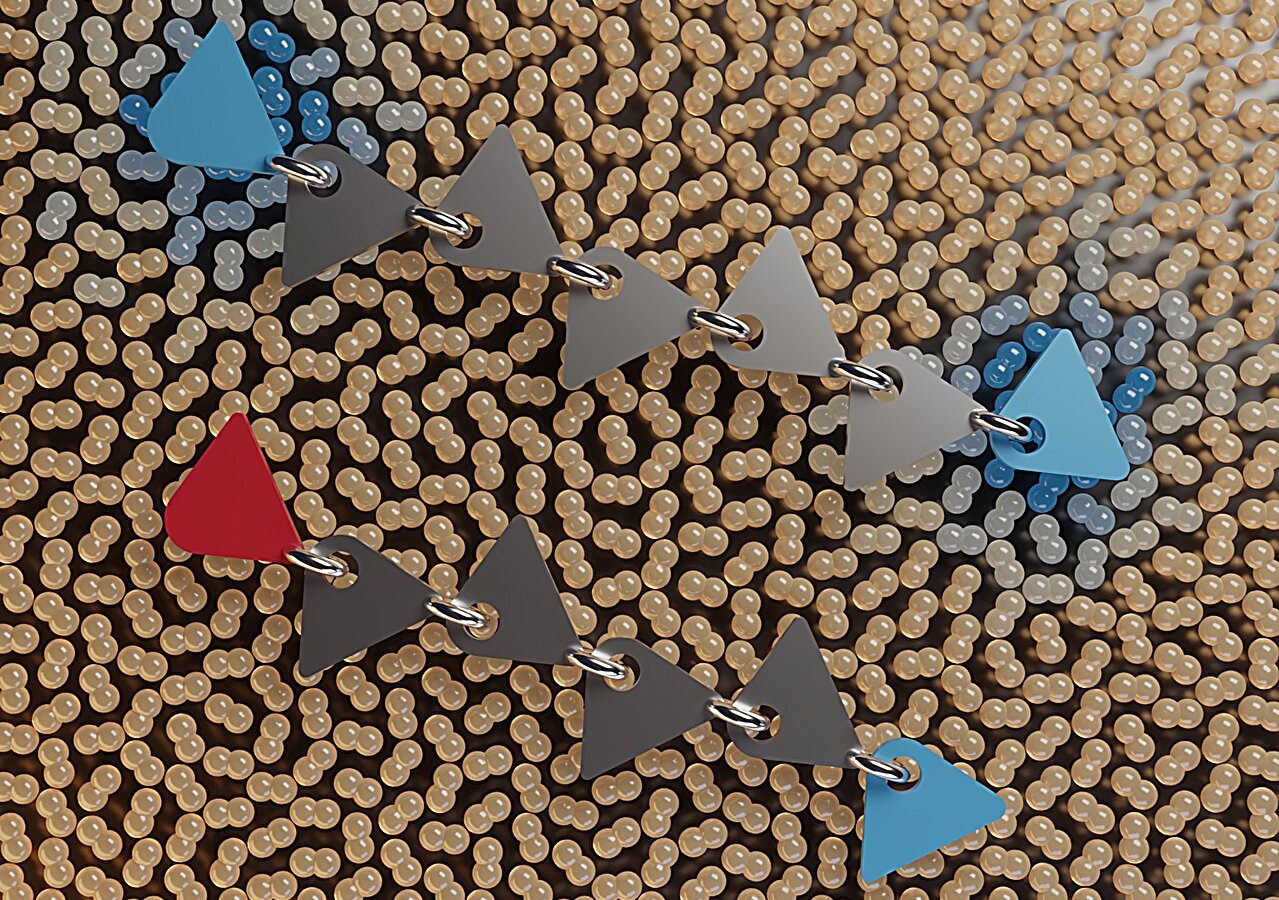
Magnetic behavior depends on count
The study demonstrates that chains containing an odd number of units interact magnetically with a superconductor. In contrast, chains with an even number of units do not show this magnetic interaction. This difference arises from the property known as parity within the quantum system.
Triangulene structure creates spin
The experimental chains consist of triangulenes, which are small triangular fragments of graphene that host a specific spin value. When these magnetic units couple together, their spins interact to form a collective quantum state called the Haldane phase. This phase theoretically predicted decades ago exhibits fractional spin states at both ends of the chain.
Gold surface enables contact
The research team used gold surfaces as a platform to manufacture these carbon nanostructures via on-surface synthesis. They aimed to observe what occurs when the fractional states from the chains touch the superconductor. This setup allowed them to confirm that parity fundamentally changes the interaction between the chain and the superconducting material.
Reported by one outlet
Only one outlet has published this. Nothing here has been checked against a second report, so read it as that outlet's account and follow the link below for the original.
Reported by
1 independent outlet. Headline as published. Links open the original report.