Researchers identify rare DNA gyrase poison Pyr-AMC for future antibiotics
An FIU team published a new screening method that found Pyr-AMC, a compound that poisons bacterial DNA gyrase, in Nucleic Acids Research.
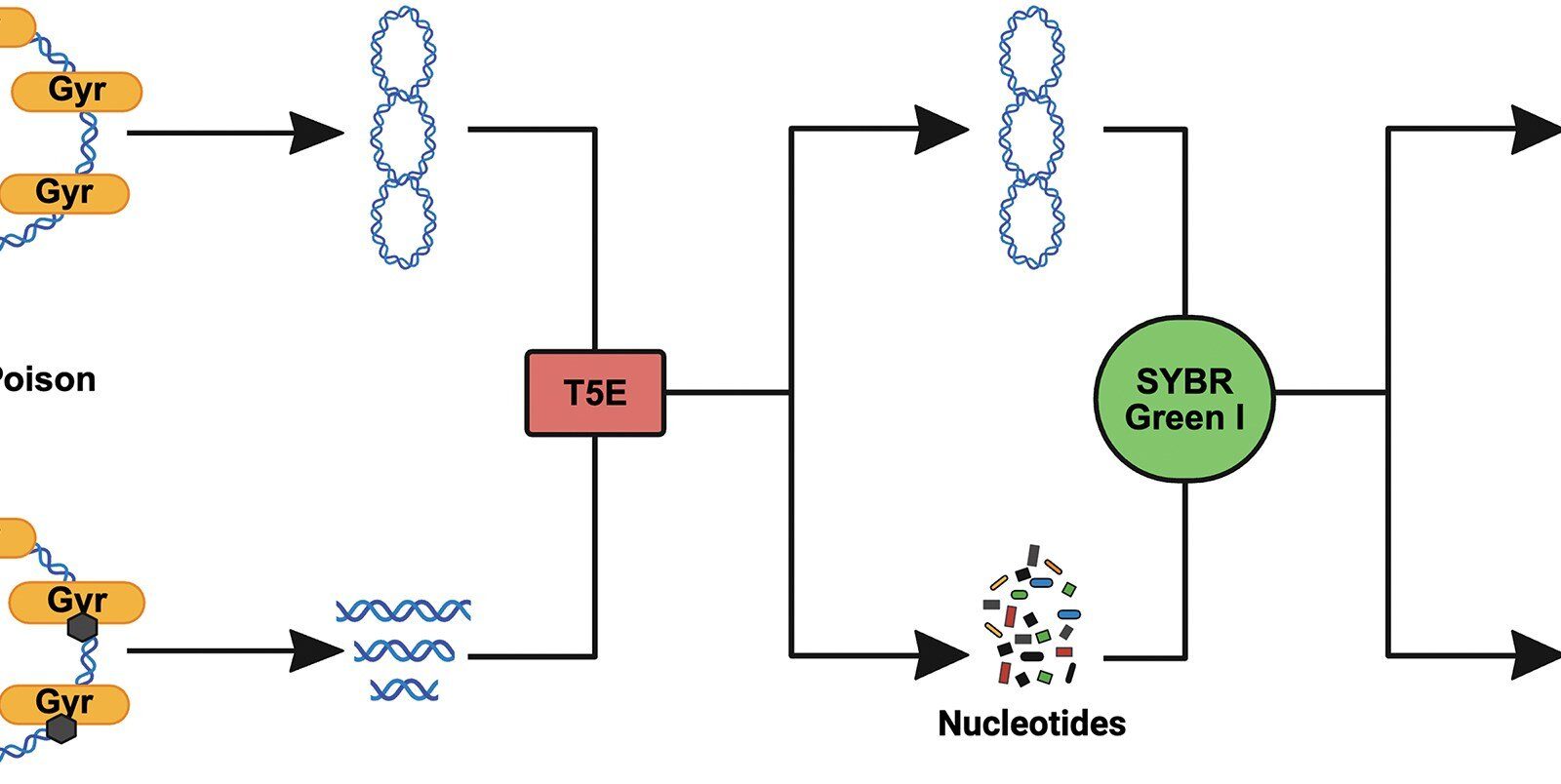
New method finds rare poison
Scientists at Florida International University developed a high-throughput screening process to locate compounds that stop bacterial DNA gyrase. During testing of this system, the group discovered Pyr-AMC, which was not known before. This compound traps the enzyme while it cuts DNA strands, preventing bacteria from repairing their genetic material.
Compound kills infected cells
The trapped enzyme leaves broken DNA to accumulate inside the bacterial cell until it dies. Researchers hope this discovery leads to new classes of antibiotics because gyrase poisons are uncommon. The study addresses the urgent need for treatments as antibiotic resistance continues to rise globally.
Reported by one outlet
Only one outlet has published this. Nothing here has been checked against a second report, so read it as that outlet's account and follow the link below for the original.
Reported by
1 independent outlet. Headline as published. Links open the original report.