Researchers find red-sensitive pigments act as reversible light switches in mantis shrimp eyes
Scientists from ULiège and Humboldt University in Berlin analyzed visual pigments in mantis shrimp and discovered some detect red light.
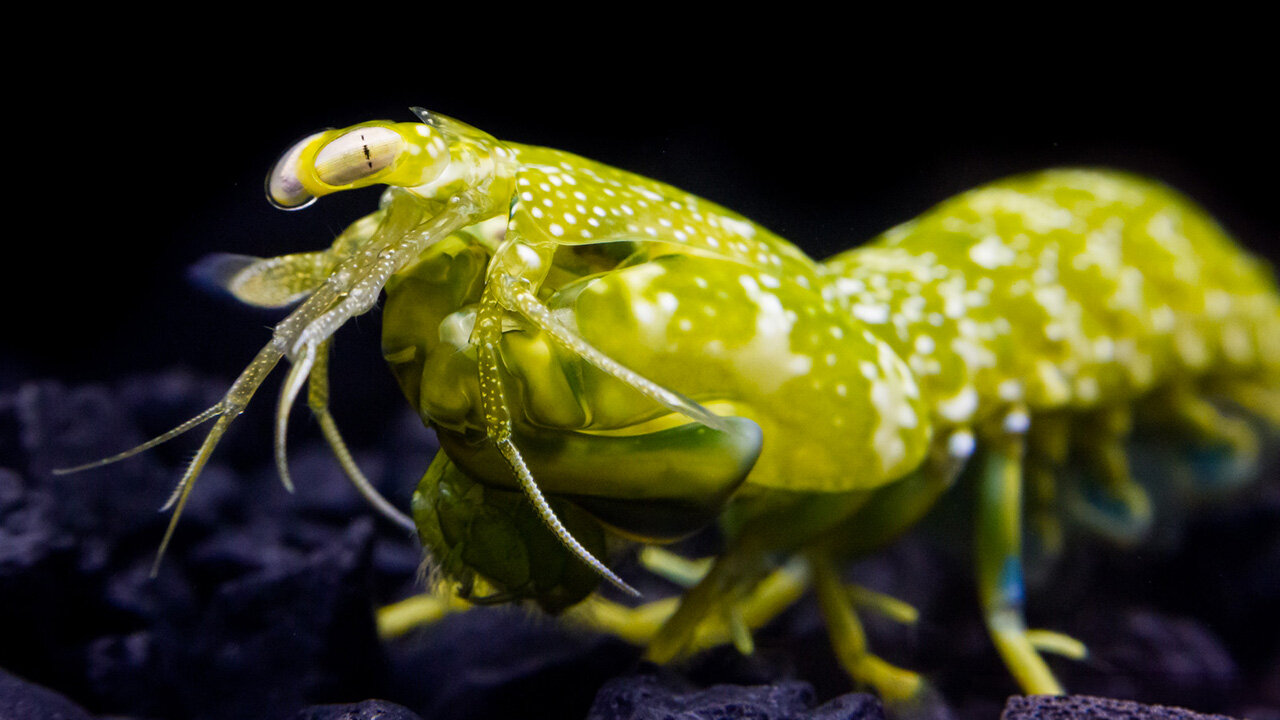
Unique visual system analysis
Researchers examined the visual pigments of mantis shrimp one by one for the first time. Humans possess three cone pigments while these crustaceans have about 30 different visual pigments. The study was published in Science Advances.
Red light detection capability
The analysis revealed that certain pigments detect red light which very few animals can perceive. These pigments function as reversible light switches within the eye structure. This discovery offers potential applications for optogenetics research.
Reported by one outlet
Only one outlet has published this. Nothing here has been checked against a second report, so read it as that outlet's account and follow the link below for the original.
Reported by
1 independent outlet. Headline as published. Links open the original report.