Potatoes grown in simulated lunar soil match Earth yields
Oregon State University researchers published findings Thursday showing potatoes grow well in simulated lunar soil amended with organic matter.
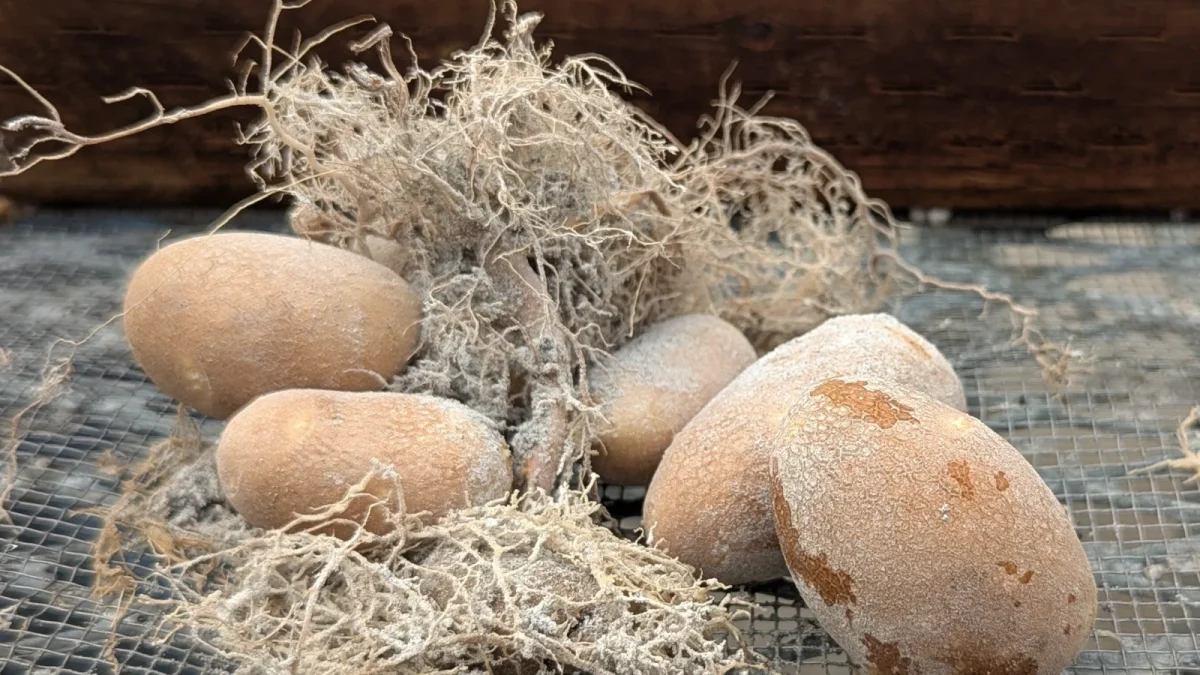
Growth matches Earth standards
Scientists discovered that potatoes cultivated in regolith mixtures with 30 percent vermicompost developed similarly to those grown in terrestrial soil. Those cultivated without the organic supplement suffered severe impairment including stunted growth and poorly developed roots, whereas samples receiving smaller quantities achieved just a partial rebound. The study tested five different regolith simulants representing both lunar mare and highland regions to ensure broad applicability for future missions.
Safety and nutrition confirmed
The team determined that potatoes maintained their nutritional quality while growing in the simulated lunar environment. They found no statistically significant increase in glycoalkaloids, which are naturally occurring toxins often associated with green discoloration beneath the skin. Heavy metals present in the regolith were bound by the organic matter, reducing plant exposure to harmful compounds and protecting root systems.
Variety and future work
Scientists tested the Modoc variety, an early-maturing potato featuring red skin and white flesh that works well for extended space voyages. According to Aymeric Goyer, potatoes yield higher calorie counts per acre than numerous other crops while delivering significant nutrition such as potassium and vitamin C. A forthcoming paper will report results from experiments evaluating ten different potato varieties grown in lunar regolith simulants.
All 2 outlets report consistently
No differences in figures, names or dates across these reports.
- Phys.org
- Dawn
Reported by
2 independent outlets. Headlines as published. Links open the original report.