Physicists propose new calculation explains gallium anomaly without new particles
A group of researchers from Italian institutions published a study in Physical Review Letters on October 16, 2026, suggesting their new math resolves the long-standing neutrino shortfall issue.
Historical context for the puzzle
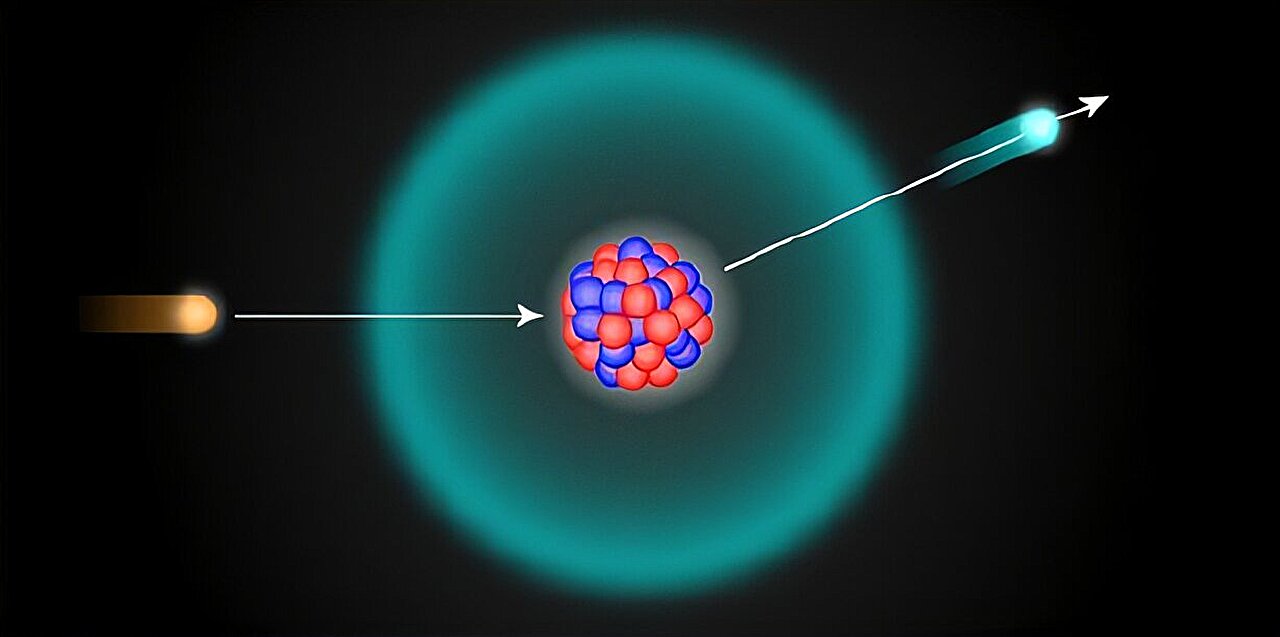
Scientists first noticed this discrepancy in the mid-1990s before Carlo Giunti clearly defined it in 2007. The problem involves detecting roughly twenty percent fewer electron neutrinos than theory predicts when they hit gallium nuclei. This specific interaction turns a neutron into a proton while creating an electron inside the germanium nucleus.
New mathematical solution proposed
The latest work by Italian physicists agrees with the observed number of captured neutrinos rather than requiring new particles. Their findings appear in Physical Review Letters and address a debate that has lasted for decades. This approach removes the need to assume sterile neutrinos exist to explain the missing data.
Reported by one outlet
Only one outlet has published this. Nothing here has been checked against a second report, so read it as that outlet's account and follow the link below for the original.
Reported by
1 independent outlet. Headline as published. Links open the original report.