Penn State researchers quantify underground roots using DNA metabarcoding
A team at Penn State developed a genetic method to measure root biomass in soil samples without excavating plants.
New technique identifies soil species
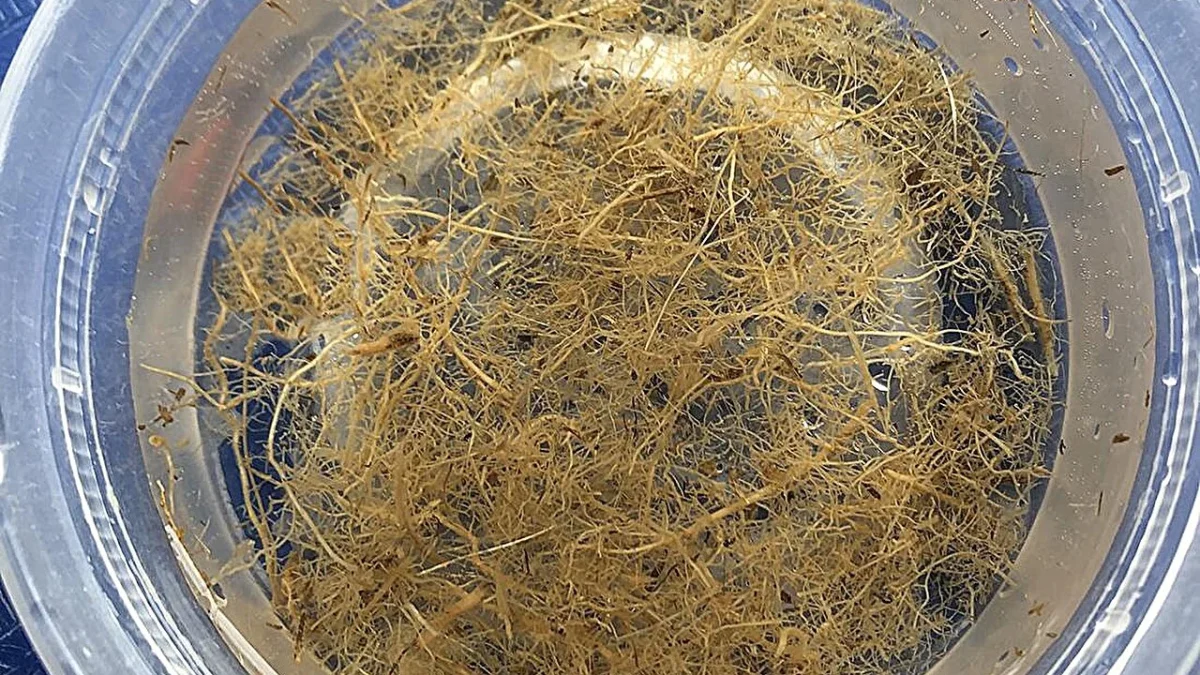
Plant scientists from the College of Agricultural Sciences created a solution that relies on soil samples instead of unearthing entire plants. The team extracted genetic material and sequenced the rbcL chloroplast gene to generate a complete list of plant species present in the mixtures. According to first author Emma Rice, identifying root fragments by species is visually challenging while their excavation in the field requires significant time. This approach avoids the difficulty of separating roots when many plants grow together underground.
Study tested four crop species
Researchers planted monocultures of crimson clover, Austrian winter pea, canola and triticale to test their new method. They created mixtures with known root mass proportions and compared actual abundance against DNA abundance from sequencing data. Researchers conducted this investigation within the enduring Cover Crop Cocktails trial located at Penn State's Russel E. Larson Agricultural Research Center. This research aims to quantify benefits of diverse multispecies cover crop mixtures rather than single-species monocultures in grain rotations.
Findings apply to farm fields
Farm fields host cover crop species like grasses and legumes alongside cash crops to boost soil health. These results apply to various plant combinations since distinct species vary in the way they modify root biomass distribution. Published findings appear in Molecular Ecology Resources after modeling variables like sampling year and depth of soil sample.
Reported by one outlet
Only one outlet has published this. Nothing here has been checked against a second report, so read it as that outlet's account and follow the link below for the original.
Reported by
1 independent outlet. Headline as published. Links open the original report.