Penn State researchers develop new tool to detect live crop bacterial pathogens
Scientists at Penn State have published a study detailing a new method for detecting living Pseudomonas syringae bacteria in crops.
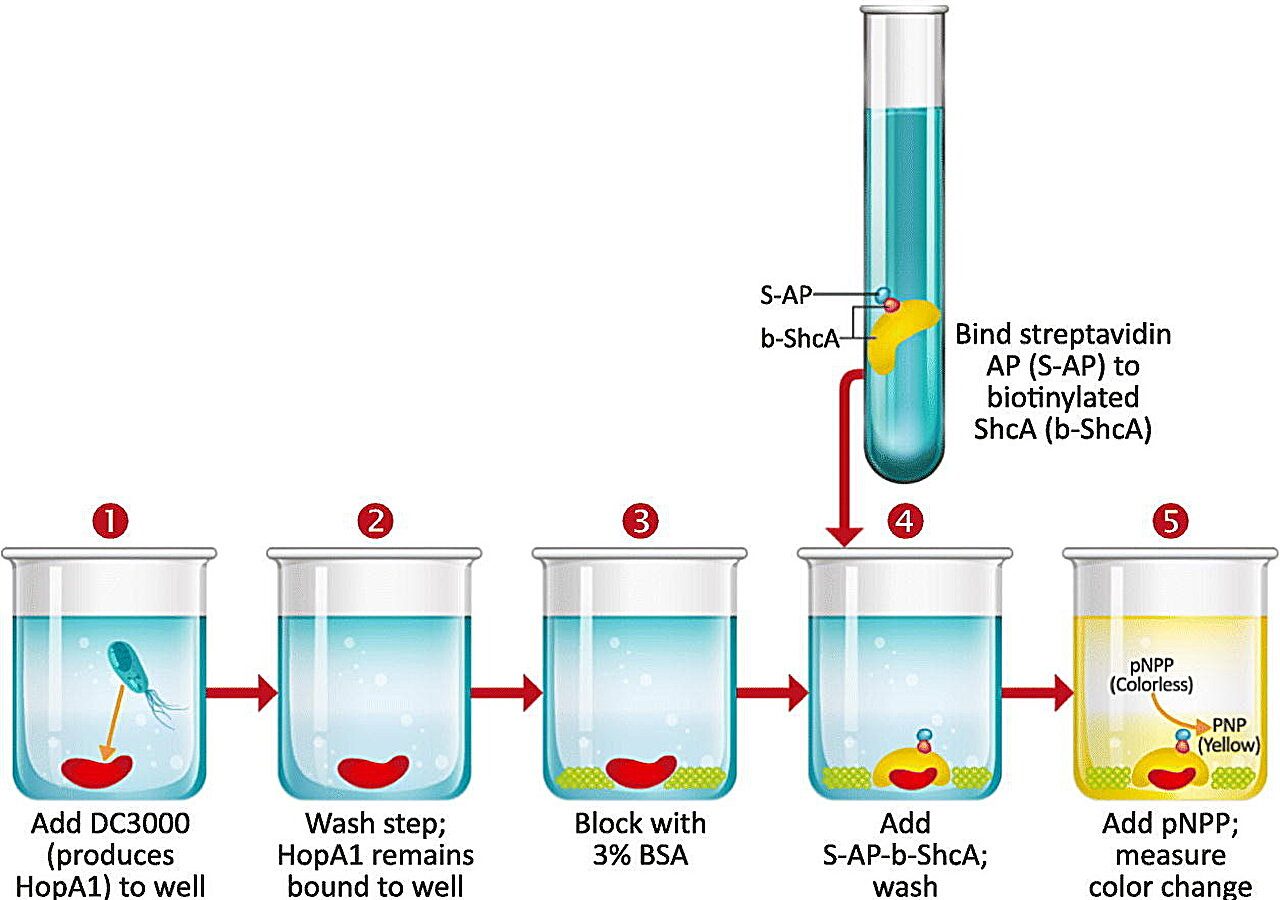
New detection method introduced
Researchers from Penn State's College of Agricultural Sciences developed a technique called the enzyme-linked chaperone assay. This approach is similar in cost to the traditional enzyme-linked immunosorbent assay but offers higher sensitivity. The new method can identify only living bacteria rather than dead ones.
Potential for broader use
Lead author Rachel Herschlag noted that the study serves as a proof of concept for future applications. Scientists could adapt this system to detect other bacteria with similar invasion machinery. The potential scope includes animal and human pathogens alongside those affecting plants.
Future adaptation opportunities
The research team suggests that clinicians and seed companies may soon adopt this new toolkit. Expanding the method allows for better detection in agricultural, environmental, and biotechnology sectors. Further work will focus on adapting the technique for different bacterial systems.
Reported by one outlet
Only one outlet has published this. Nothing here has been checked against a second report, so read it as that outlet's account and follow the link below for the original.
Reported by
1 independent outlet. Headline as published. Links open the original report.