Osaka researchers use pressure in tiny droplets to make degradable plastics
A research group led by Osaka Metropolitan University published a study in the journal Macromolecules describing how high pressure inside nanoscale droplets expands the range of naturally degradable plastics.
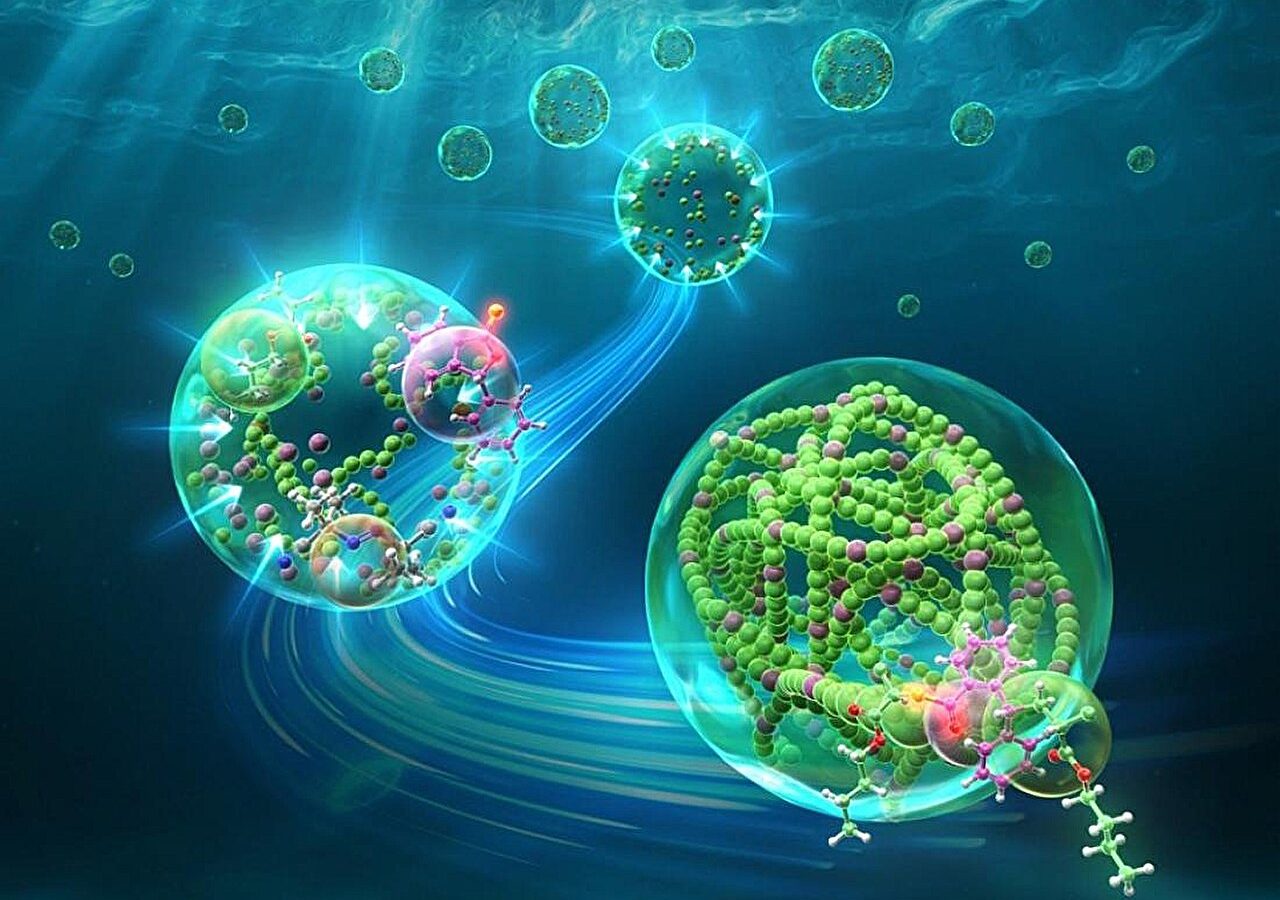
New technique for plastic degradation
Researchers typically focus on chemical bonds between monomers to create biodegradable materials. Many existing plastics persist in the environment because these bonds prevent full breakdown into microplastics. The new method changes the physical environment of the reaction instead of altering molecular design.
Pressure inside nanoscale droplets
The team performed reactions inside nanoscale droplets to maximize pressure through surface tension. This principle, known as Laplace pressure, creates intense internal force within the smaller droplets. Such pressure promoted chemical reactions that would not usually occur under normal conditions.
Expanded material availability
Associate professor Yukiya Kitayama stated that findings greatly expand materials available for production. The approach unlocks normally inaccessible parts of the chemical reaction landscape. This technique allows for a substantially increased range of plastics to degrade naturally.
Reported by one outlet
Only one outlet has published this. Nothing here has been checked against a second report, so read it as that outlet's account and follow the link below for the original.
Reported by
1 independent outlet. Headline as published. Links open the original report.