New study validates original black hole image from Event Horizon Telescope
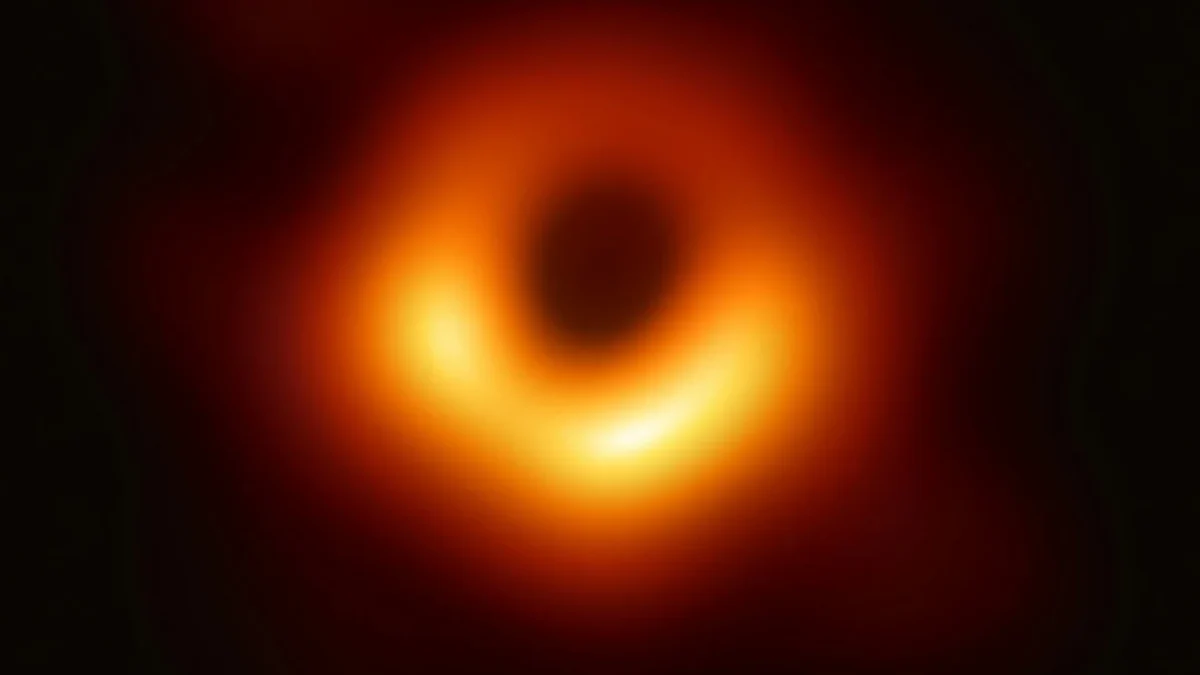
A research team published independent results in Nature on April 10 confirming the accuracy of the first black hole picture released by the Event Horizon Telescope Collaboration.
Independent analysis confirms ring structure
Scientists used new techniques to investigate the original data sets from the M87 galaxy observation. Their findings validate the initial work while offering a fresh perspective on the ring structure. This famous picture displays the silhouette of a black hole surrounded by glowing, turbulent hot gas. This result supports the idea that supermassive black holes reside at the centers of galaxies.
New method eliminates imaging errors
The Event Horizon Telescope combined signals from radio telescopes across the globe to create an Earth-sized virtual instrument. Four independent imaging teams participated in the original publication but showed some differences in fine-scale features. Researchers developed closure invariants to combine triplets of telescope measurements instead of pairs. This approach eliminates atmospheric and instrumental errors that previously caused incorrect outcomes during analysis.
Machine learning reduces human bias
The team designed a machine learning method called GenDIReCT to produce images consistent with measured data. They trained the model on terrestrial images like cats, dogs and cars so it had no prior knowledge of black holes. Validation tests included in the study ensured the model produced reliable results without algorithmic biases. These steps bring the image of the distant object back into sharp focus for astronomers.
Reported by one outlet
Only one outlet has published this. Nothing here has been checked against a second report, so read it as that outlet's account and follow the link below for the original.
Reported by
1 independent outlet. Headline as published. Links open the original report.