New study suggests planetary collisions help young worlds keep atmospheres
Researchers from Yale and Shanghai Jiao Tong University report that giant impacts can help rocky planets retain their hydrogen-rich primordial atmospheres.
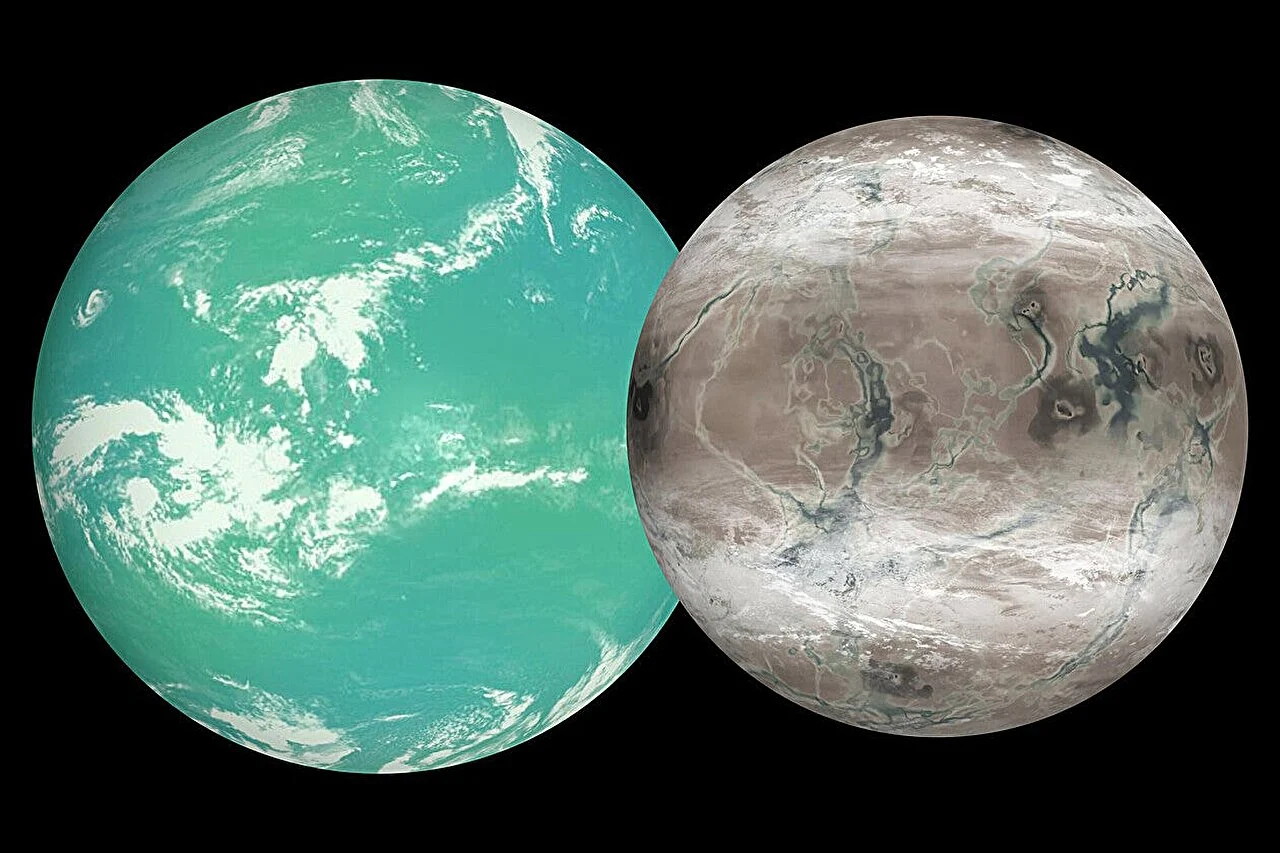
Giant impacts add mass and heat
Scientists say these collisions are a key part of how rocky planets grow. The events add significant mass while releasing enormous amounts of heat into the system. This heat can drive atmospheric escape, but the overall effect depends on how these two changes interact.
Explaining super-Earths and sub-Neptunes
The research sheds light on why nature produces both super-Earths without primordial atmospheres and larger sub-Neptunes with them. Researchers Jun Korenaga and Darius Modirrousta-Galian published these findings in the journal Nature Astronomy. The study addresses a fundamental puzzle regarding the abundance of these two distinct types of exoplanets.
Reported by one outlet
Only one outlet has published this. Nothing here has been checked against a second report, so read it as that outlet's account and follow the link below for the original.
Reported by
1 independent outlet. Headline as published. Links open the original report.