New study shows U.S. crop irrigation prevents massive greenhouse gas emissions
Colorado State University researchers published a study in Proceedings of the National Academy of Sciences stating that agricultural irrigation in the United States avoids significantly higher emissions than it produces.
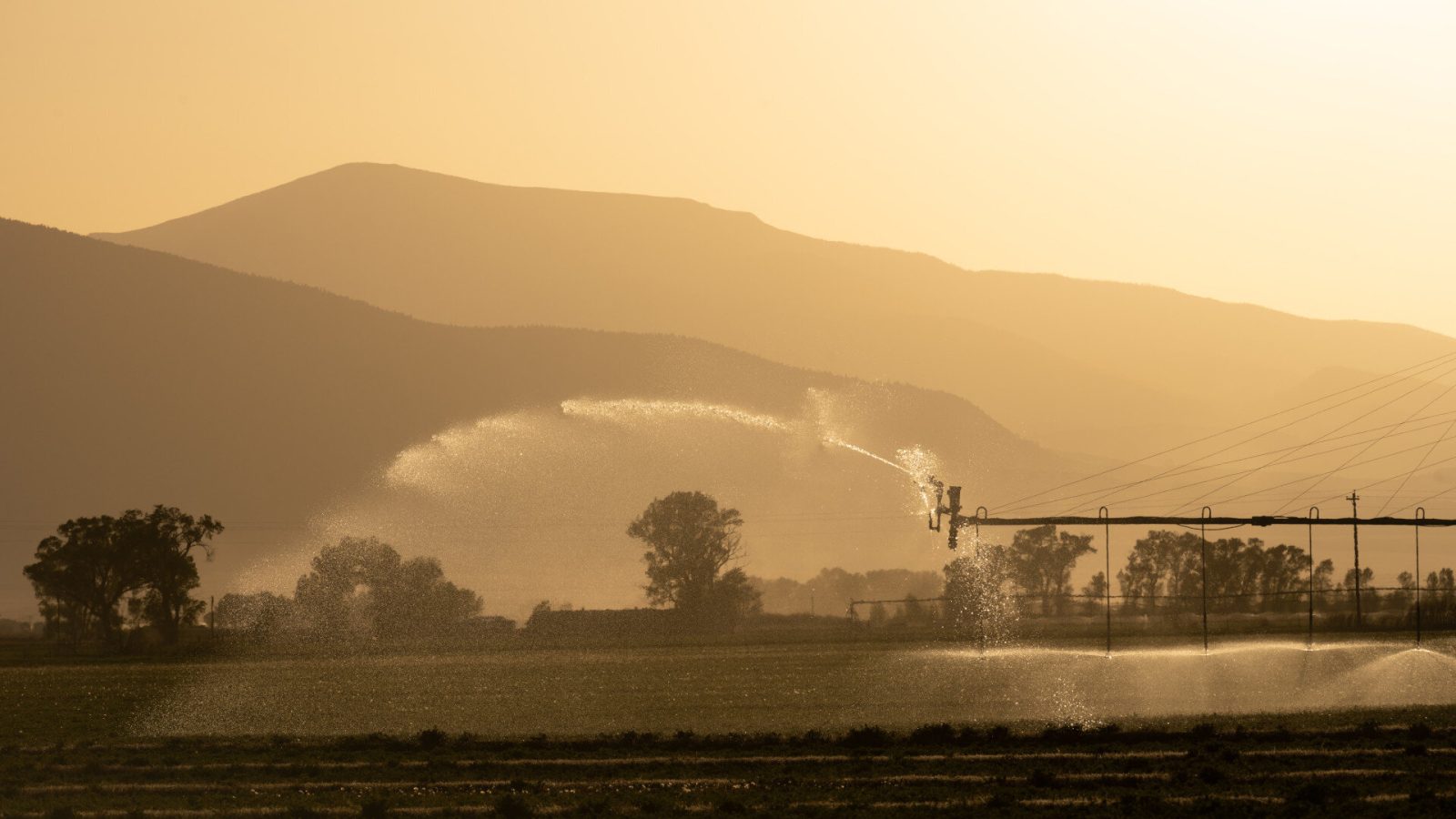
Avoided land conversion saves carbon
Scientists estimate that shutting off irrigation would force land-use changes creating 363 times more greenhouse gas emissions than current operations emit. This avoided conversion prevents the release of carbon stored in soil and vegetation. The research indicates that growing food on less land provides a net positive effect on overall emissions.
Irrigation footprint could shrink further
Lead author Avery Driscoll noted that direct emissions from pumping water could decline with electrification of the grid. The study highlights that land use for agriculture contributes nearly a quarter of global greenhouse gas emissions. Reducing indirect land-use change remains a key priority for future emissions reductions in this sector.
Reported by one outlet
Only one outlet has published this. Nothing here has been checked against a second report, so read it as that outlet's account and follow the link below for the original.
Reported by
1 independent outlet. Headline as published. Links open the original report.