New study shows tin deposits form from source rocks
Researchers from the University of St Andrews and Oxford published findings in Geology stating that tin granites originate from source conditions rather than cooling processes.
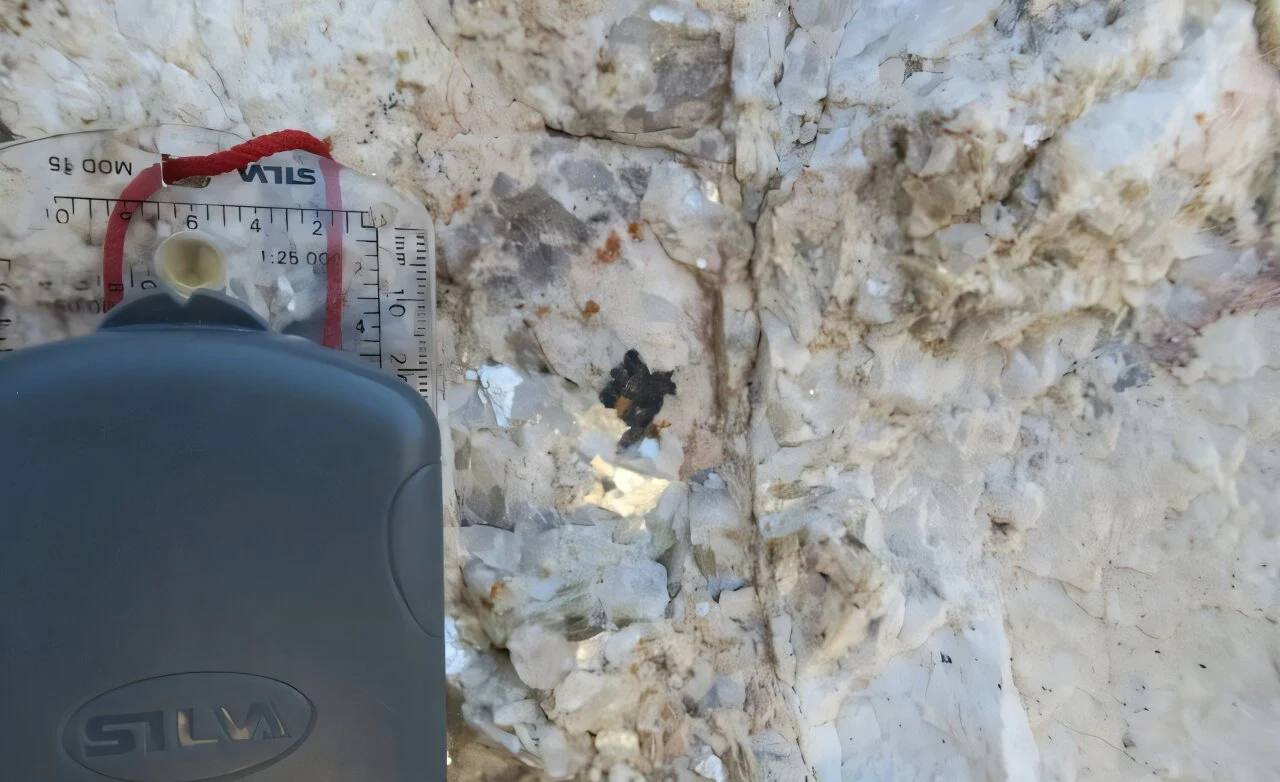
Study challenges traditional geological views
Scientists investigated how magmatic rocks form the majority of global tin supplies. They found that defining characteristics of these granites are established at their geological source instead of through later processing. Traditional theories suggested extreme fractional crystallization concentrated tin as magma cooled and crystallized. This new research demonstrates that key features are driven by what melts to form the magma in the first place.
Source rocks dictate mineralization success
The reduced character of these granites is inherited directly from melting highly reduced source rocks. Modeling shows melting conditions yielding a reduced melt occur within a redox transition zone where tin enriches in the magma. Fractional crystallization actually oxidizes the magma, meaning it cannot produce reduced granites as previously thought. Lead author Joseph Benson noted that magmas are essentially born rich in tin unless starting with specific source material.
Implications for energy transition metals
Electrification requires sufficient supplies of critical metals like tin which acts as essential glue in solder. Modern electronics from mobile phones to AI data centers depend on these materials found in southwest England deposits. Understanding geological processes governing mineralization helps unlock new supplies with a smaller environmental footprint. The study provides quantitative constraints on petrogenesis highlighting the critical role of source conditions.
Reported by one outlet
Only one outlet has published this. Nothing here has been checked against a second report, so read it as that outlet's account and follow the link below for the original.
Reported by
1 independent outlet. Headline as published. Links open the original report.