New study reveals complex population changes after ancient Japanese volcanic eruption
An international team led by Lund University published findings in Science Advances about how the Kikai-Akahoya eruption affected prehistoric Jomon communities in Japan roughly 7,300 years ago.
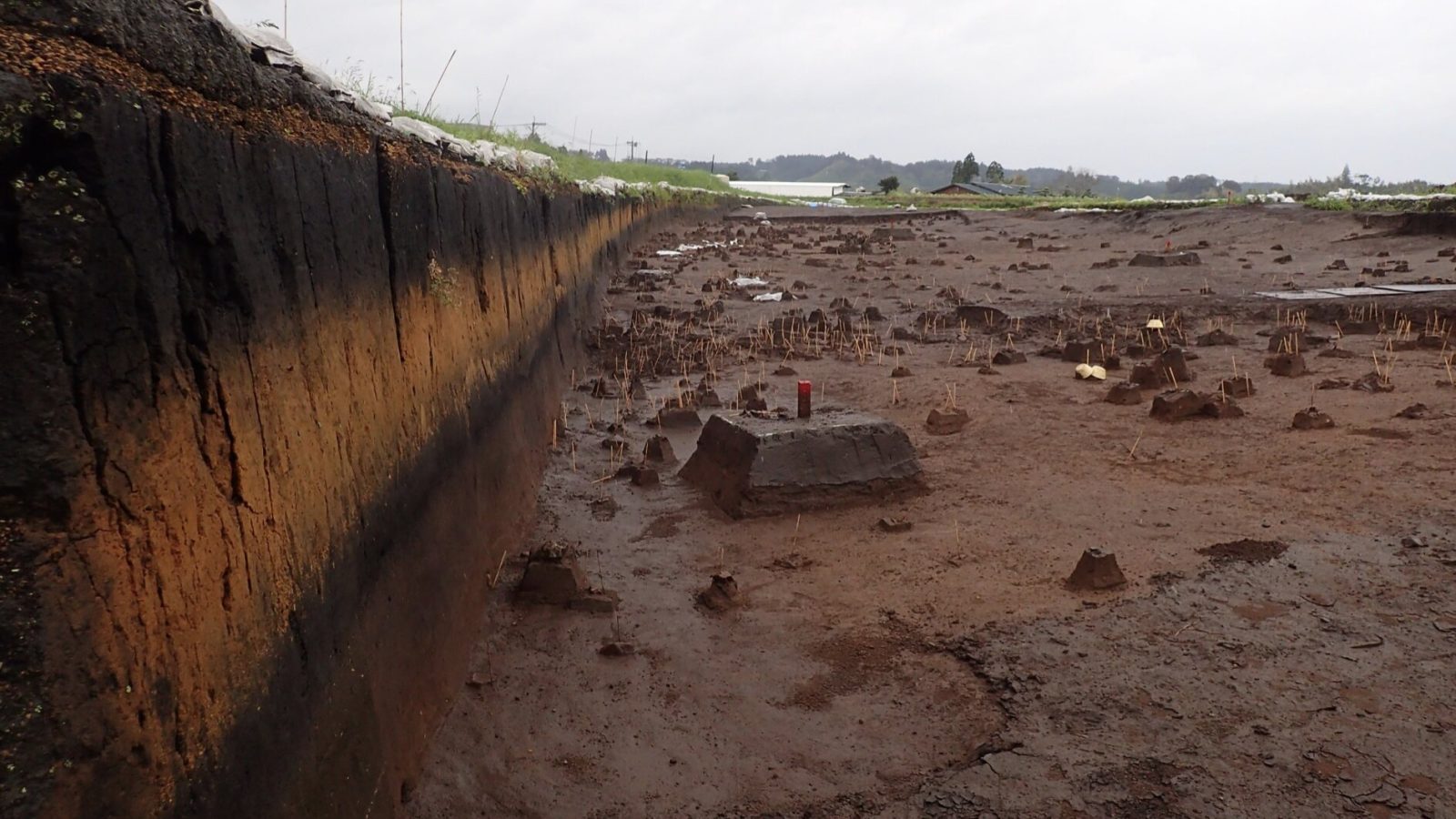
Eruption caused widespread destruction
The event began with an explosion from the seabed that generated powerful earthquakes and enormous tsunamis. Volcanic ash then blanketed the landscape with meters of debris, battering the Japanese islands with little warning.
Population decline followed the disaster
Researchers found that ecosystems suffered significantly and many areas became uninhabitable for humans. Consequently, population levels dropped as people could not survive in the damaged environments.
Some groups survived nearby
Evidence suggests that local populations did not disappear entirely even in regions close to the epicenter. The study concludes that neither total collapse nor complete continuity provides an accurate picture of what happened.
Reported by one outlet
Only one outlet has published this. Nothing here has been checked against a second report, so read it as that outlet's account and follow the link below for the original.
Reported by
1 independent outlet. Headline as published. Links open the original report.