New study explains why Arctic sea ice moves unexpectedly
Researchers from the University of California Riverside published findings in September 2026 that attribute strange Arctic sea ice movements to collisions between individual floes.
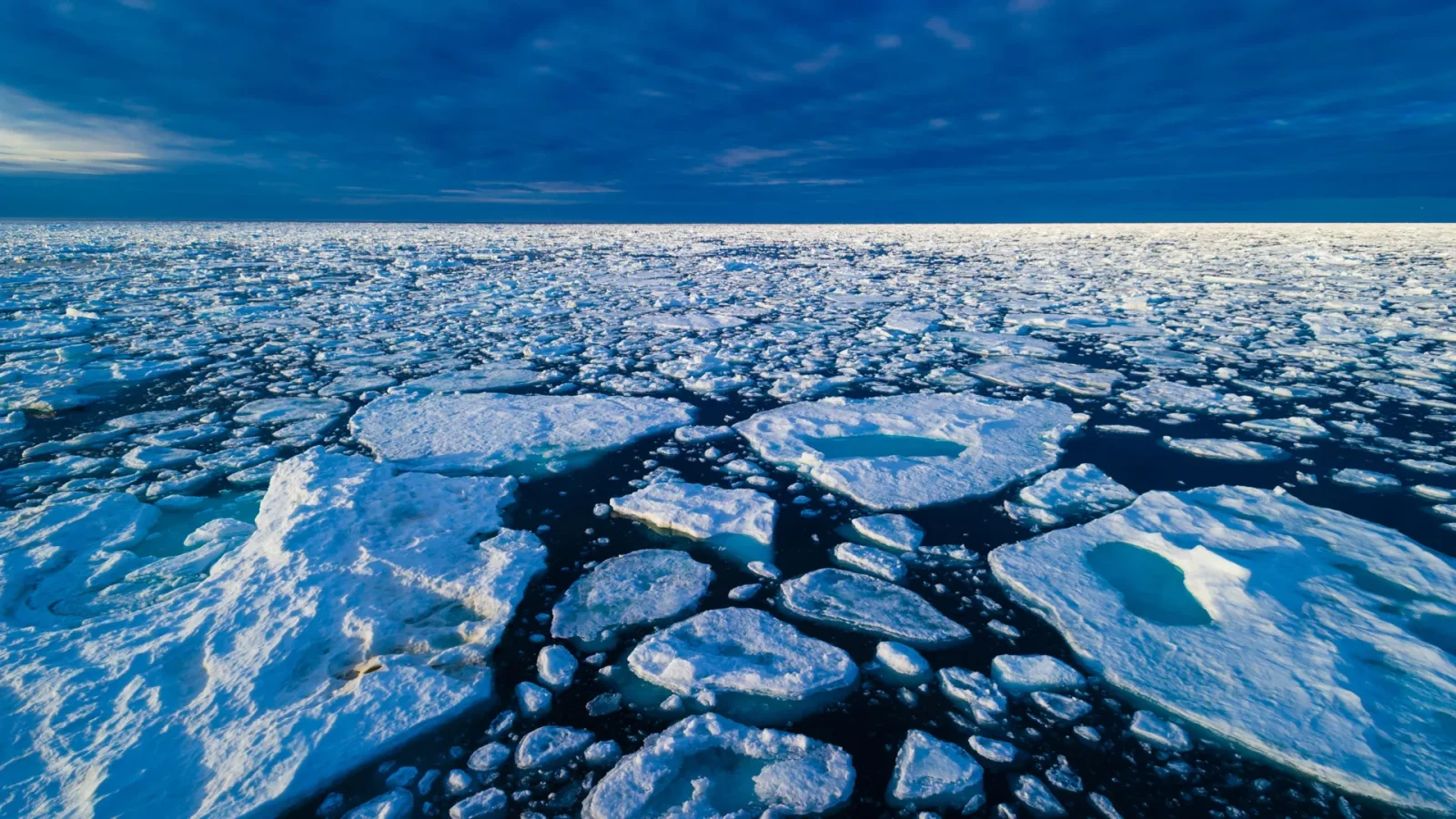
Ice floes collide constantly
Arctic sea ice is not a single sheet but consists of separate slabs called floes. These pieces range from several meters to several kilometers in width. Wind pushes these floes across the ocean, causing them to crash into one another repeatedly.
Collisions transfer energy
Scientists found that individual ice floes constantly collide and transfer energy during these impacts. This simple process helps explain how quickly the ice moves and spreads in the region. The mechanism accounts for movements that wind alone would not predict.
Forecasts may improve
The study was led by Bryan Shaddy, Alex Greaney, and Bhargav Rallabandi from UC Riverside. Their findings were published in the journal Physical Review Letters. These results could eventually help scientists improve forecasts of sea ice movement as the Arctic warms.
Reported by one outlet
Only one outlet has published this. Nothing here has been checked against a second report, so read it as that outlet's account and follow the link below for the original.
Reported by
1 independent outlet. Headline as published. Links open the original report.