New studies show bottom trawling leaves deep marks on Baltic Sea floor
Researchers from the Leibniz Institute for Baltic Sea Research Warnemünde published new findings about seafloor damage caused by bottom trawling in the journals Ecological Informatics and Anthropocene.
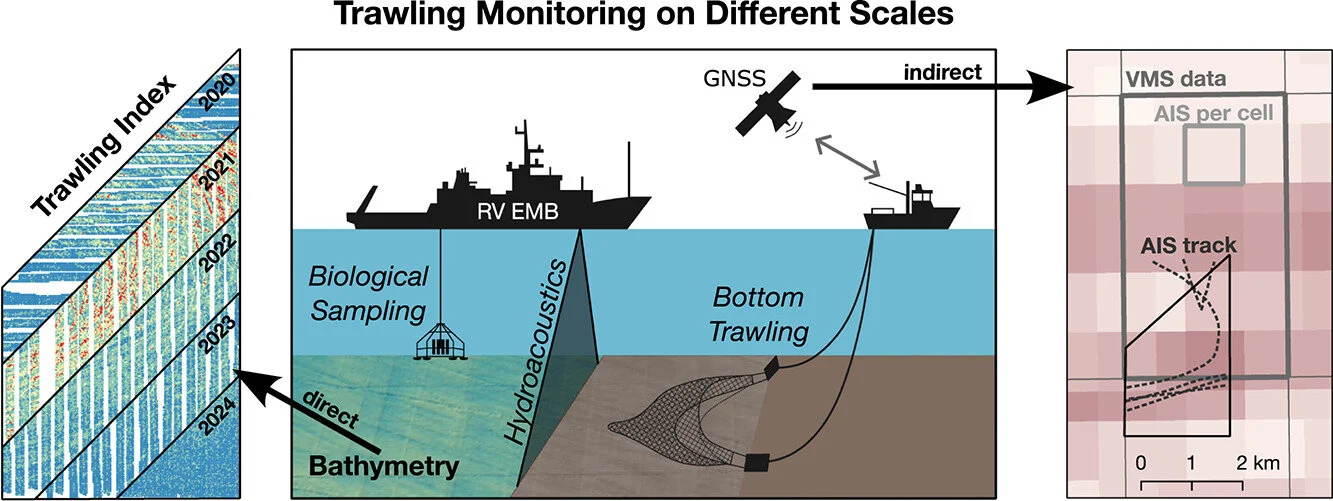
High-resolution scans reveal hidden damage
Scientists used high-resolution echo sounder measurements to find marks that standard vessel data missed. These deep furrows are created by heavy net-opening devices dragged along the bottom. The analysis shows these impacts were previously insufficiently recorded in official monitoring.
Rapid changes and fishing violations
The team documented surprisingly quick changes to the condition of the seafloor over time. Strong indications of illegal fishing activity were found inside a designated marine protected area. Artificial intelligence helped identify these previously unknown patterns of human interference.
Impact on seabed habitats
Dragging nets stirs up sediments and alters the natural environment for bottom-dwelling organisms. This direct interference harms benthic life in western Baltic Sea regions where smaller vessels operate. The new data provides a much clearer picture of actual fishing impacts than position logs alone.
Reported by one outlet
Only one outlet has published this. Nothing here has been checked against a second report, so read it as that outlet's account and follow the link below for the original.
Reported by
1 independent outlet. Headline as published. Links open the original report.