New method uses solar shadows to track lunar spacecraft
Researchers from Advanced Space and Texas A&M propose using solar panel eclipse data to navigate lunar orbits without radio signals.
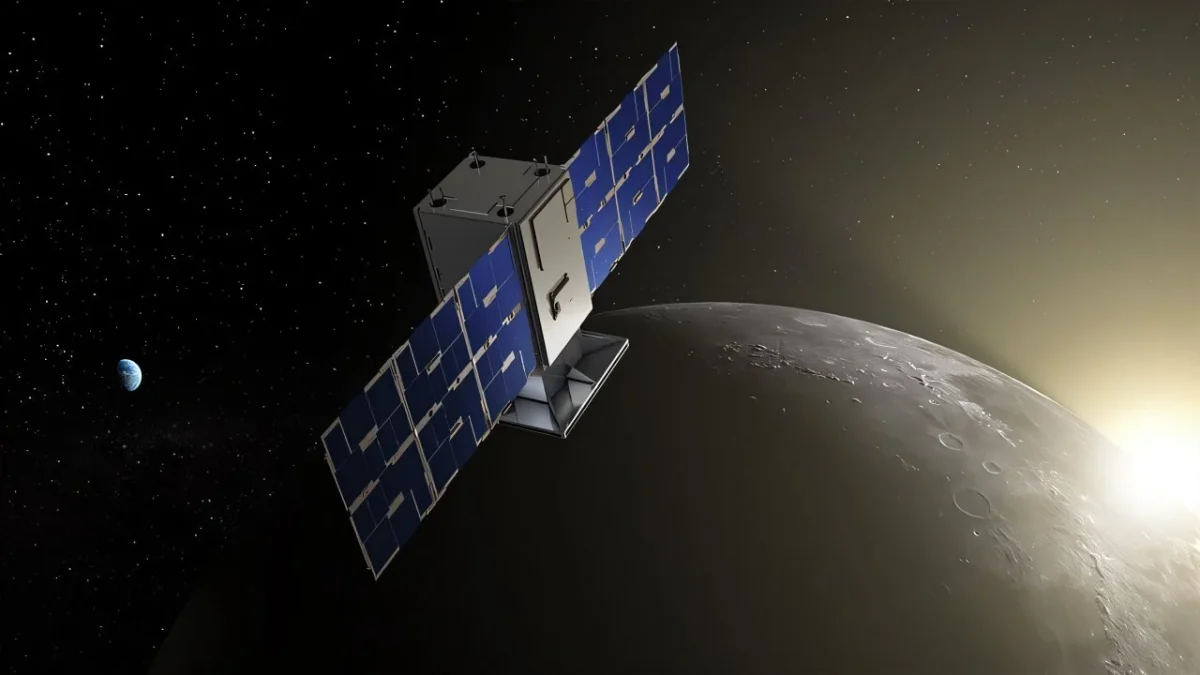
Solar eclipses reveal precise location
A new paper by Ian Down, James McElreath and Manoranjan Majji offers a no-cost solution for tracking satellites in deep space. Engineers usually avoid eclipses because they drain batteries and cool electronics on the craft. However, the precise timing of voltage drops during these blackouts holds valuable information for navigation. Recording timestamps when power starts dropping allows an algorithm to determine three-dimensional location without cameras or star trackers.
Historical data maps shadow shapes
The moon has no atmosphere, so its shadow is jagged and tracks mountains and craters dotting its surface. Earth's atmosphere can blur the sun and enlarge its shadow, making precise location difficult to determine. Researchers turned to a dataset of more than 22,000 historical observations collected by astronomers between 1842 and 2011. This data set maps certain parts of Earth's shadow to specific ground features for better pictures.
NASA network faces tracking limits
NASA's Deep Space Network has been the workhorse for tracking satellites for decades but is quickly being overwhelmed by requests. The increasing number of missions makes it harder to track recently launched spacecraft using traditional methods. This new approach uses maximum power point tracking algorithms already present on solar-powered spacecraft. This approach resolves the challenge of traversing lunar orbit by relying solely on shadows and a power meter.
Reported by one outlet
Only one outlet has published this. Nothing here has been checked against a second report, so read it as that outlet's account and follow the link below for the original.
Reported by
1 independent outlet. Headline as published. Links open the original report.