New megapode species Megapodius rokusi found in Liang Bua cave
Researchers identified a new extinct ground-dwelling bird species named Megapodius rokusi from a fossil leg bone discovered in the Liang Bua cave on Flores Island.
Ancient fossil identified after decades
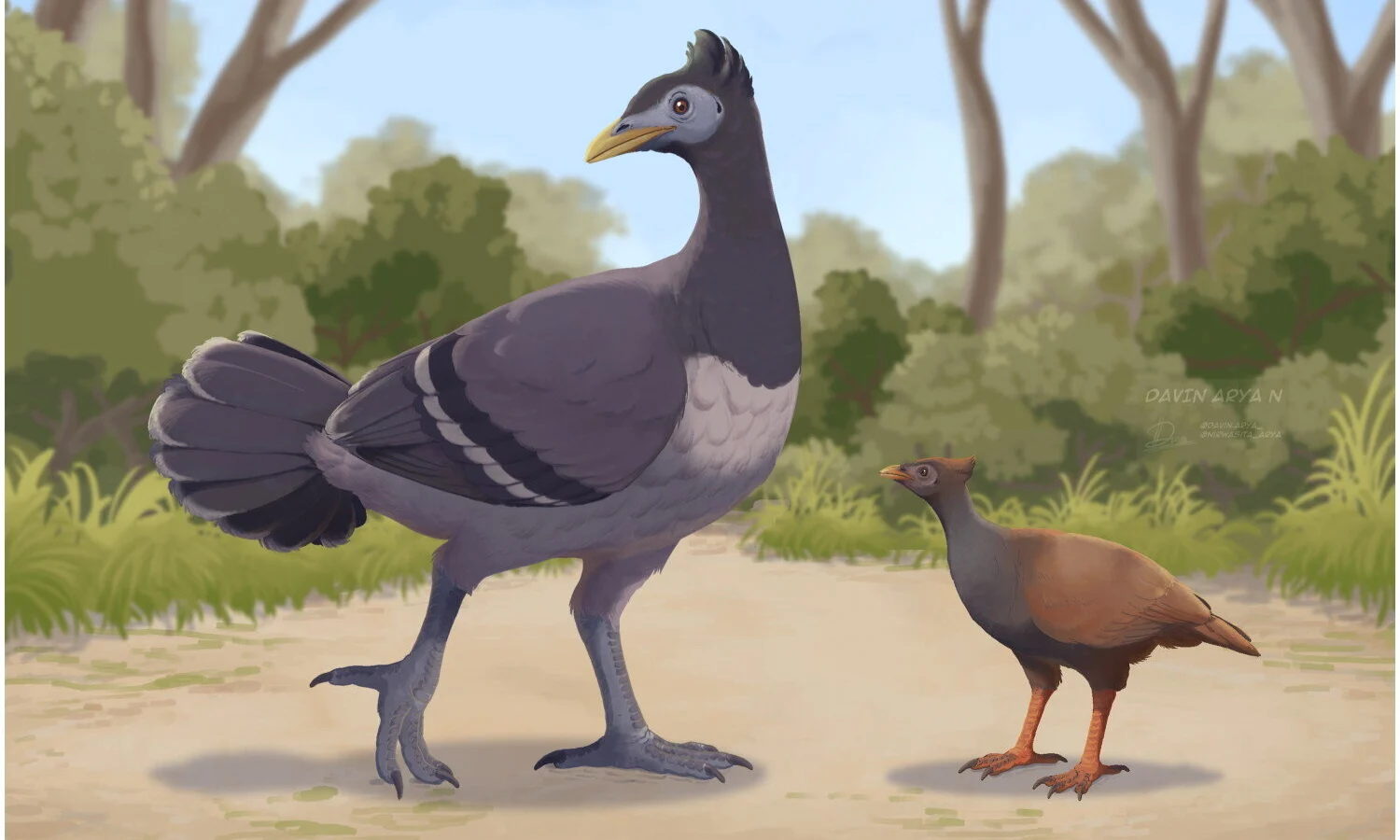
In 2009, scientists working at the Liang Bua cave found a leg bone dating between 190,000 and 120,000 years ago. The specimen remained unstudied for seventeen years before researchers recognized it as belonging to a new megapode species. This discovery marks the first megapode fossil ever located in Wallacea and represents one of the largest of its kind. Professor Hanneke Meijer from the University Museum of Bergen noted that this find fills a significant gap in bird data for this period.
Naming honors local expert
The team named the species Megapodius rokusi after Rokus Due Awe, who first recognized the bones of Homo floresiensis and identified the leg as a bird bone. Meijer described Due Awe as an incredible self-taught zooarchaeologist and stated it is an honor to name a species in his memory. The fossilized toe joints differ in shape and position from other megapodes, while its leg size suggests it was rather large compared to modern relatives.
Size comparison with living birds
M. rokusi would have weighed around 3.9 kilograms, making it the largest Megapodius ever found according to the study published in Alcheringa. This ancient bird would dwarf the current orange-footed scrubfowl on Flores Island which weighs only between 0.5 and 1.2 kilograms. Without wing bones, scientists cannot determine if it could fly, but its extinction may have occurred around the same time as other animals like Homo floresiensis.
Reported by one outlet
Only one outlet has published this. Nothing here has been checked against a second report, so read it as that outlet's account and follow the link below for the original.
Reported by
1 independent outlet. Headline as published. Links open the original report.