New clay figurines reshape views on prehistoric Middle East art
Researchers from The Hebrew University of Jerusalem report that ancient clay figurines found in Israel date back 15,000 to 11,500 years ago.
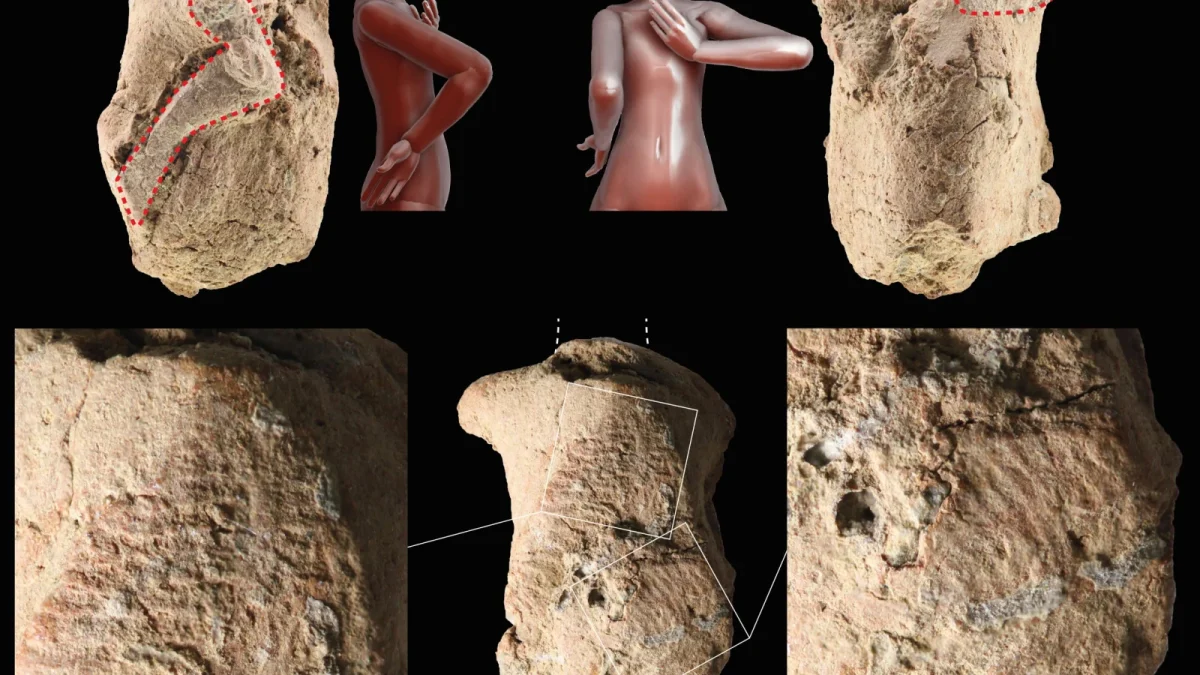
Ancient artifacts challenge old beliefs
Excavations at three sites in modern-day Israel reveal objects made between 15,000 and 11,500 years ago. These items represent birds, mammals and humans with traces of orange or red coloring. One fragment may depict the facial pattern of a mountain gazelle. Previously, experts thought clay figurines only appeared during the Neolithic age around 11,500 years ago.
Natufian culture used clay early
The Natufian communities were sedentary hunter-gatherers who lived in this region before the agricultural revolution. Most earlier figurines from this period were made from bone or stone instead of clay. The new findings suggest that creativity and cultural knowledge were shared across generations among these people. Children appear to have participated in making these symbolic objects long before pottery emerged.
Study published in PLOS One
Laurent Davin led the study which was published in the journal PLOS One this year. The paper argues that seeds of Neolithic culture were sown well before farming began. These discoveries change how scholars understand the beginnings of artistic expression in first human villages.
Reported by one outlet
Only one outlet has published this. Nothing here has been checked against a second report, so read it as that outlet's account and follow the link below for the original.
Reported by
1 independent outlet. Headline as published. Links open the original report.