Monkey fingerprints vary between individuals in three species
Researchers at Universidade de Brasília found unique ridge patterns on the feet and palms of 116 captive monkeys across three different species.
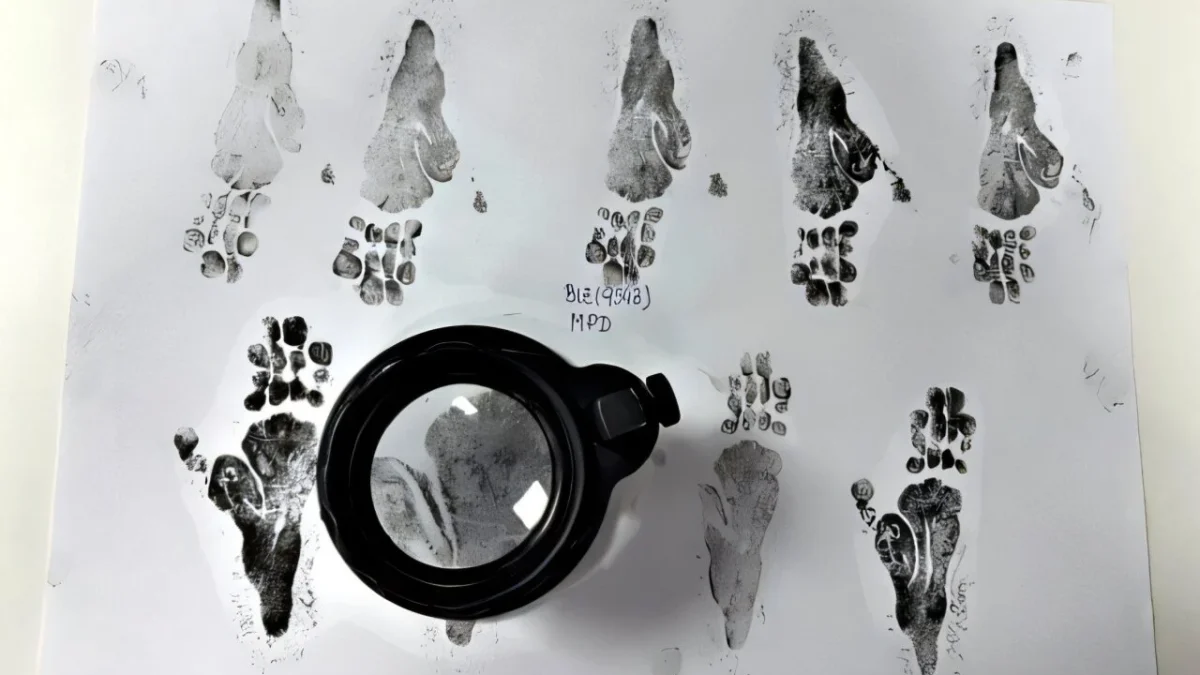
Study analyzes 116 monkey prints
A team led by Juliana Vieira Flores Sales published findings in the journal PLOS One regarding friction ridges. The researchers collected data from owl monkeys, squirrel monkeys, and capuchin monkeys housed at specific centers in Pará, Brazil. Analysis of arches, loops, and whorls revealed that no two individuals shared identical footprints or palm prints among the 116 subjects. Distinct differences also appeared between the species groups studied during this investigation.
Ecology influences ridge patterns
Owl monkeys, which are nocturnal animals, displayed more deltas and whorls with less variety in their ridge structures. In contrast, diurnal squirrel monkeys and capuchins showed greater variation in their dermatoglyphic traits. These consistent differences likely reflect the distinct ecological characteristics of each primate group. The study suggests that environmental factors shape how these friction ridges develop on skin surfaces.
Forensic potential needs testing
Authors state this variation could assist conservationists and wildlife forensic investigators in identifying individual animals reliably. Further research is required to determine if these patterns work for identification purposes in the field. Sales noted that understanding how these traits develop offers opportunities to explore biological significance across primate species. Future studies will help clarify applications for conservation efforts using these unique physical markers.
Reported by one outlet
Only one outlet has published this. Nothing here has been checked against a second report, so read it as that outlet's account and follow the link below for the original.
Reported by
1 independent outlet. Headline as published. Links open the original report.