MIT Scientists Identify Biological Switch Driving Colon Cancer Spread
Researchers at the Massachusetts Institute of Technology discovered a hidden biological pathway that enables colon cancer to metastasize in mice, noting that high-fat diets can amplify this process.
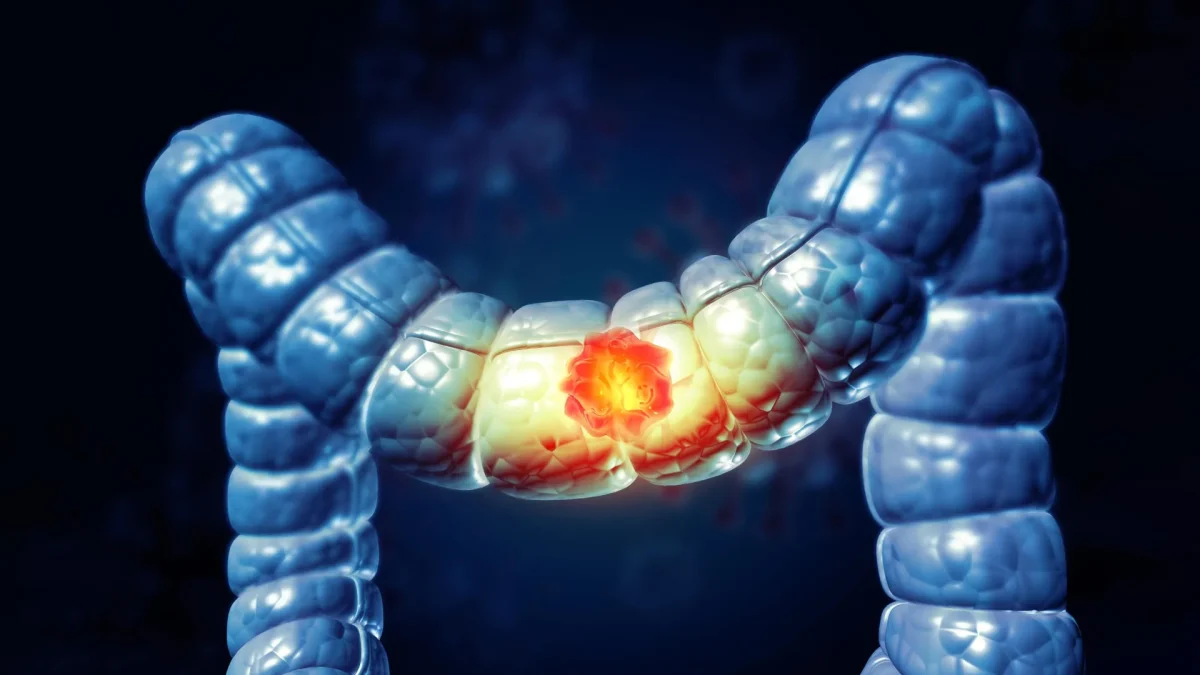
New Pathway Enables Tumor Growth
Scientists uncovered a critical mechanism allowing colorectal cancer cells to invade distant organs like the liver. The discovery centers on a protein called YAP1, which regulates a biological program normally used for tissue healing. Cancer cells hijack this repair system to multiply and establish tumors elsewhere in the body. Most colon cancer deaths occur when tumor cells spread throughout the body after initial diagnosis.
Diet Amplifies Metastatic Activity
The team found that a high-fat diet stimulates this process by increasing production of fatty molecules known as ceramides. Blocking enzymes that create these ceramides could prevent tumor cells from switching on the regenerative program. Omer Yilmaz, director of the MIT Stem Cell Initiative, stated that shutting down these enzymes largely stops metastasis seeding in the liver. The study was published in Science and led by Yilmaz along with Nilay Sethi and Alpaslan Tasdogan.
Study Focuses on Epigenetics
Researchers examined tumor organoids to investigate epigenetic programs that regulate gene activity without changing the underlying DNA sequence. Previous studies often looked for genetic drivers of metastasis but frequently came up empty regarding specific mutations. This work points to changes in switched-on genes rather than new mutations as the primary driver. Lead authors Swagata Goswami, Qiming Zhang, and Abdullah Burak Yildiz conducted the core experiments on these models.
Reported by one outlet
Only one outlet has published this. Nothing here has been checked against a second report, so read it as that outlet's account and follow the link below for the original.
Reported by
1 independent outlet. Headline as published. Links open the original report.