McGill scientists find immune cells sense tissue stiffness to form memory
Researchers at McGill University discovered on October 27, 2026, that T cells use physical signals from their environment to decide whether to become long-lasting memory cells.
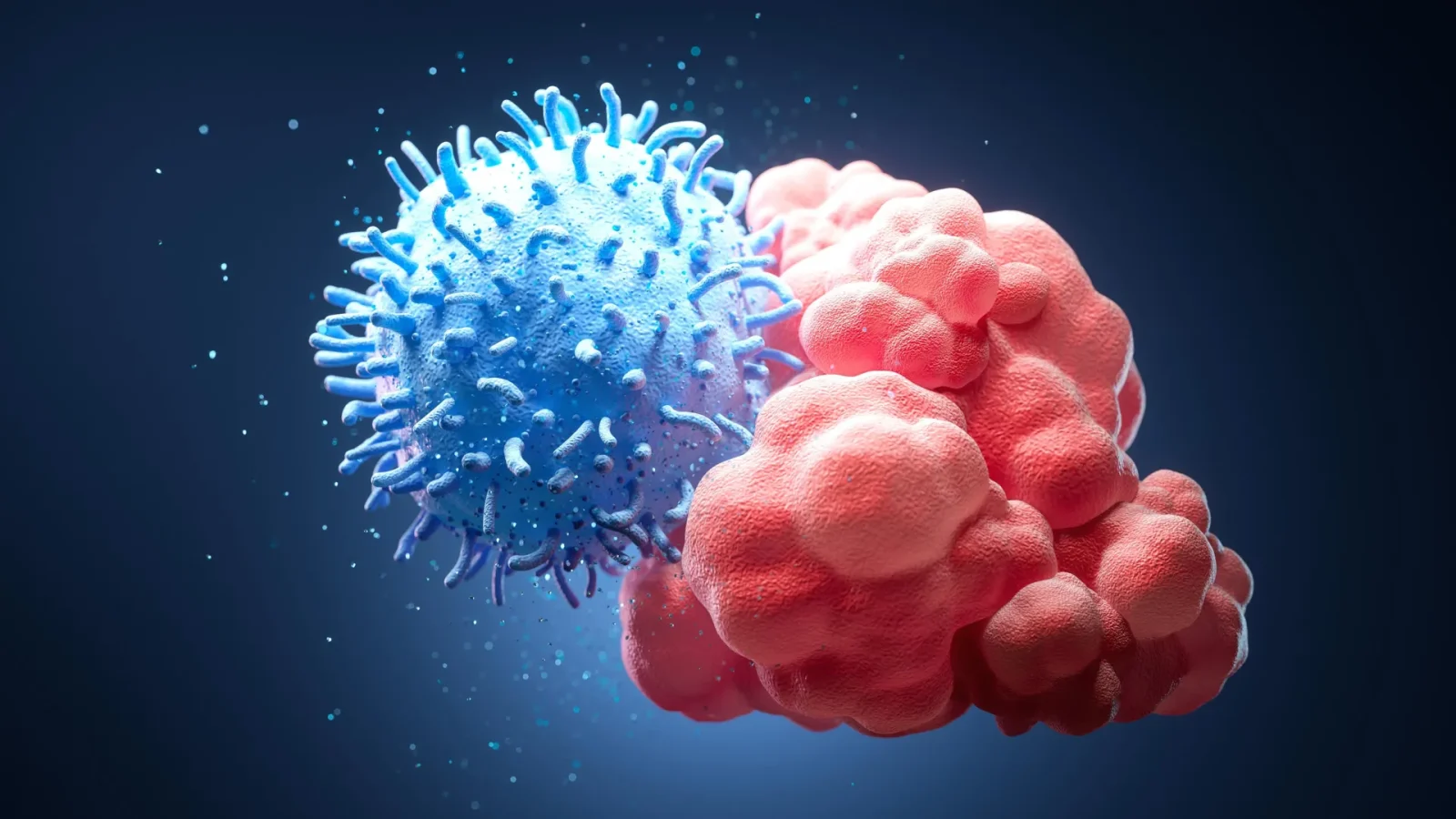
Physical signals guide immune development
Scientists found that tissue-resident memory T cells rely on chemical cues for guidance. A new study published in Nature Immunology challenges the assumption that only chemical signals matter. Researchers determined these cells can detect how stiff their surrounding tissues are.
Stiffness influences cell survival rates
The findings suggest adjusting to stronger mechanical forces helps protective cells survive over time. This physical information influences whether the cells develop into long-lasting memory types. The discovery reshapes understanding of how the body builds lasting protection against infections.
Reported by one outlet
Only one outlet has published this. Nothing here has been checked against a second report, so read it as that outlet's account and follow the link below for the original.
Reported by
1 independent outlet. Headline as published. Links open the original report.