Johns Hopkins team finds how gut bacterium triggers colon cancer
Scientists at Johns Hopkins Medicine published findings in Nature on October 31, 2026, explaining how a common gut bacterium causes colon cancer.
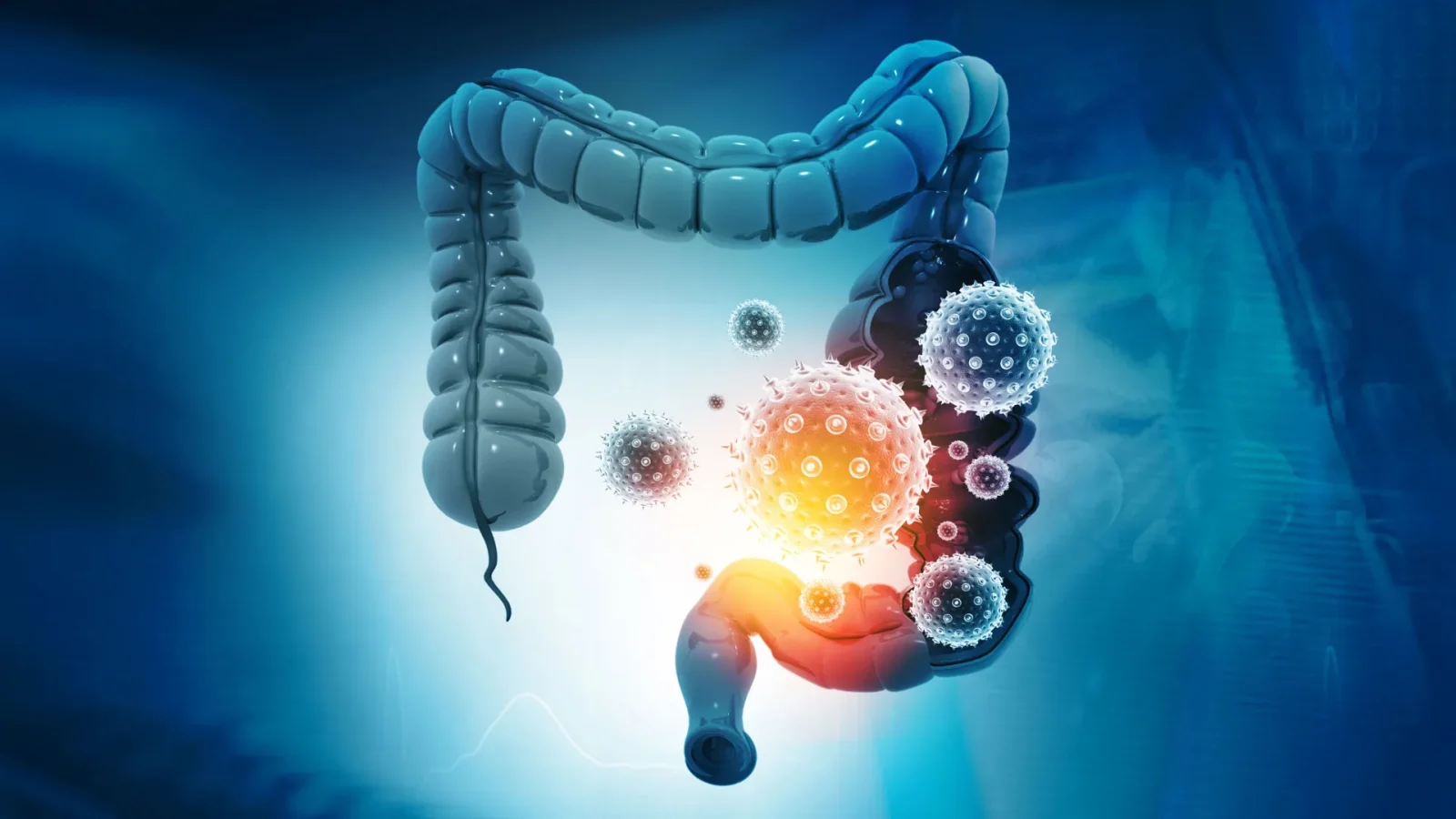
Missing link identified for toxin attack
Researchers have solved a two-decade mystery regarding how the bacterium Bacteroides fragilis initiates damage. The study reveals that a specific protein named claudin-4 acts as the docking point for the bacterial toxin known as BFT. This attachment allows the toxin to enter intestinal cells and begin damaging the colon lining.
New method blocks harmful effects
The team developed a molecular decoy designed to intercept the toxin before it reaches healthy cells. Tests on mice showed that this strategy successfully protected the animals from the toxin's harmful effects. The discovery suggests new ways to protect the colon and prevent tumor formation.
Reported by one outlet
Only one outlet has published this. Nothing here has been checked against a second report, so read it as that outlet's account and follow the link below for the original.
Reported by
1 independent outlet. Headline as published. Links open the original report.