Iron and oxygen convert lignin to methanol and formaldehyde in soil
Researchers at Heidelberg University's Institute of Earth Sciences found that iron linked to reactive oxygen species breaks down lignin into methanol and formaldehyde in natural soils without bacteria or added chemicals.
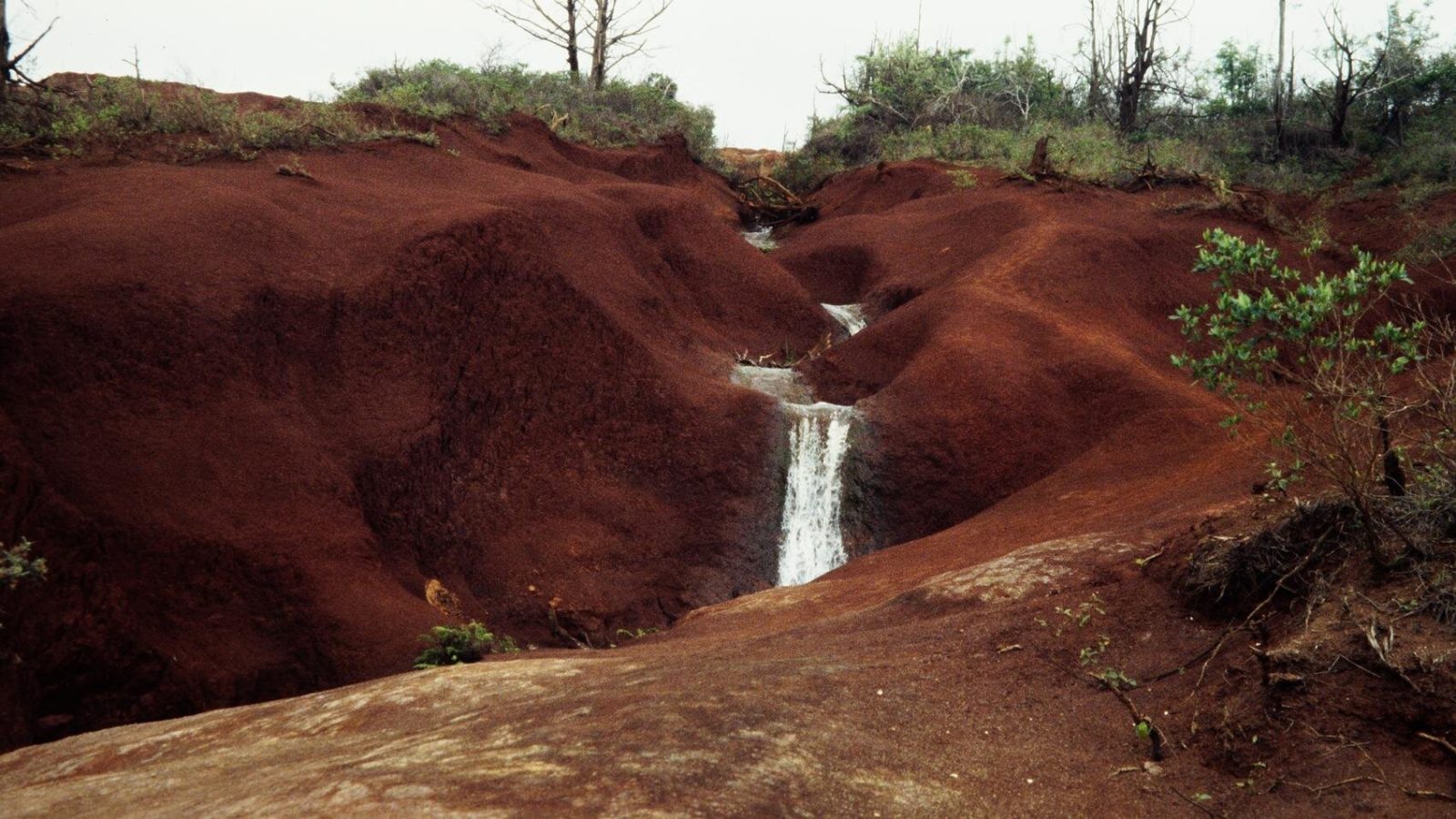
New chemical pathway identified
A study published in Nature Communications shows that the biopolymer lignin decays through a chemical attack by iron. This process transforms lignin into methanol and then into formaldehyde without any microbial involvement. The reaction occurs solely when soil gets wet.
Natural carbon cycle impact
Lignin makes up a large part of terrestrial nonfossil organic carbon found in plants and soils. Methanol and formaldehyde serve as carbon and energy sources for microorganisms in the ground. This discovery highlights an overlooked abiotic process related to Earth's carbon cycle.
Implications for atmospheric chemistry
The findings suggest this mechanism influences trace gas fluxes and atmospheric chemistry conditions. Scientists previously did not know that iron-induced decay could be such an important source of these gases.
Reported by one outlet
Only one outlet has published this. Nothing here has been checked against a second report, so read it as that outlet's account and follow the link below for the original.
Reported by
1 independent outlet. Headline as published. Links open the original report.