Harvard Scientists Map Mammal Posture Evolution
Harvard researchers published a study in Science Advances detailing how mammals evolved from sprawled stances to erect postures over more than 100 million years.
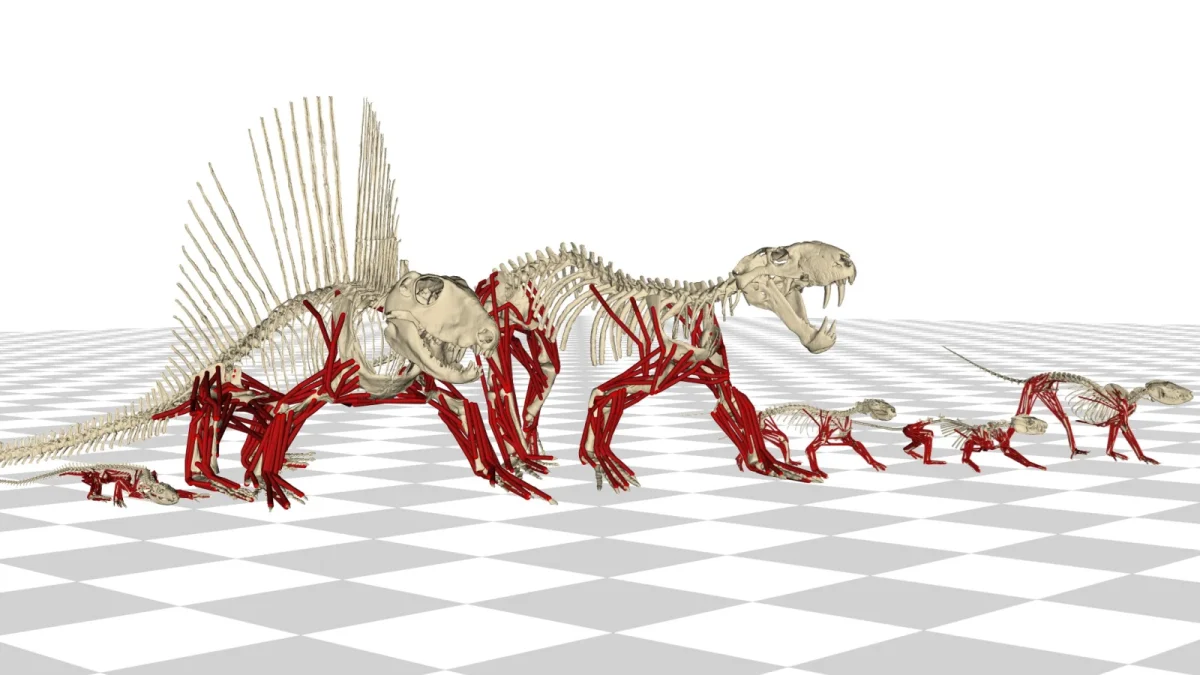
Complex Path To Modern Stance
Early mammals transitioned from lizard-like sprawled limbs to erect postures beneath their bodies. This shift allowed for greater speed and agility compared to slow-waddling ancestors. The process involved many small anatomical changes and a temporary reversal to reptile-like stances. Researchers used advanced computer simulations to model these movements accurately.
Simulations Reveal Contradictory Data
The study focused on synapsids, a group appearing over 300 million years ago. These creatures formed a separate branch from reptiles and dinosaurs despite past descriptions. Models incorporated tens of thousands of variables including bone anatomy and muscle sizes. The simulations utilized mathematics similar to those NASA uses for rocket trajectories.
New Methods For Quadrupeds
Lead author Peter Bishop noted these simulations previously applied only to bipedal dinosaurs. This research marks the first application of such models to quadrupedal mammals. Professor Stephanie Pierce headed the team combining multiple lines of evidence. The fossil record for this evolution rivals that of dinosaurs in richness.
Reported by one outlet
Only one outlet has published this. Nothing here has been checked against a second report, so read it as that outlet's account and follow the link below for the original.
Reported by
1 independent outlet. Headline as published. Links open the original report.