Global warming changes movement patterns for Iberian Peninsula ocellated lizards
A study published in the Journal of Animal Ecology finds that rising temperatures alter how ocellated lizards move between shelters and food sources across Mediterranean ecosystems.
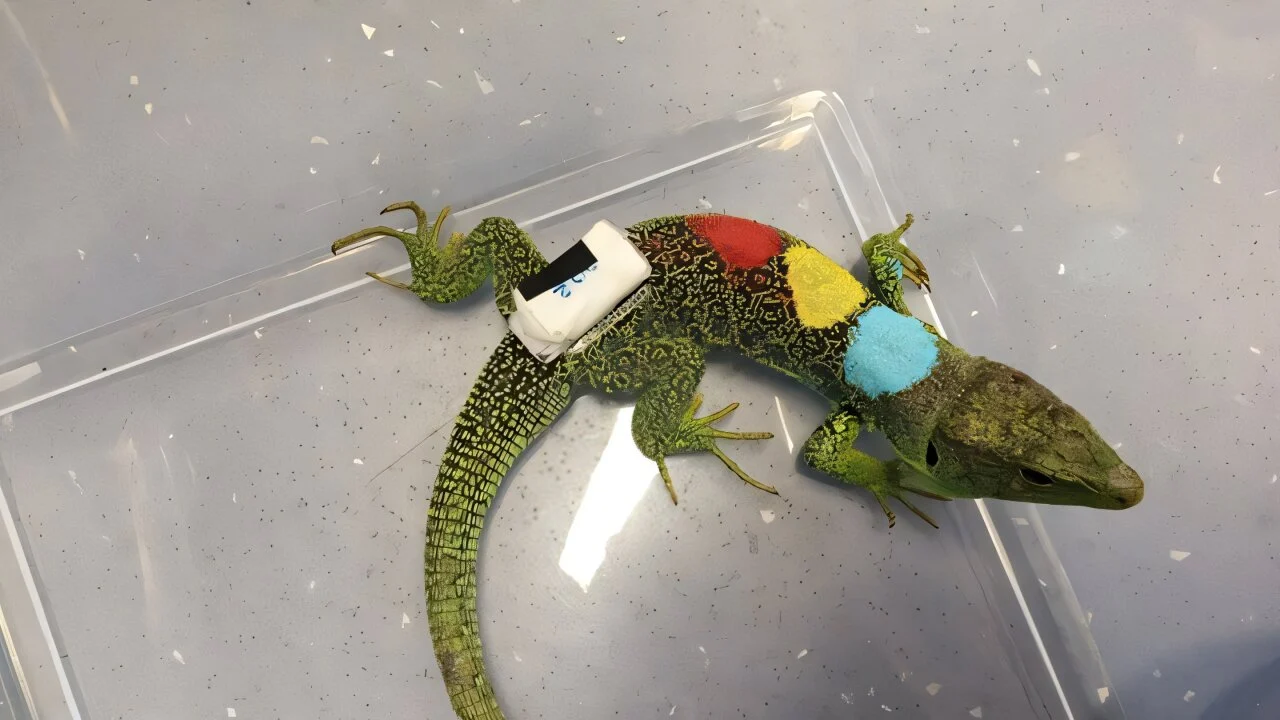
Temperature affects lizard mobility differently
The research led by Antigoni Kaliontzopoulou at the University of Barcelona shows that behavior varies with heat. Some populations act as generalists and maintain high mobility even when temperatures rise significantly. Other groups function as specialists and see their movement ability stagnate under extreme warming conditions.
Generalist strategy offers long term benefits
Lizards with a generalist profile demonstrate greater resilience compared to those classified as specialists in hot environments. This difference in capacity allows certain groups to escape predators and access feeding areas more effectively than others. The study concludes that the generalist approach proves more effective for coping with climate change over time.
Reported by one outlet
Only one outlet has published this. Nothing here has been checked against a second report, so read it as that outlet's account and follow the link below for the original.
Reported by
1 independent outlet. Headline as published. Links open the original report.