George Whitesides, chemistry pioneer known for soft lithography, dies
George Whitesides, a leading chemical researcher born in Louisville in 1939, has died after making landmark contributions to nanotechnology and surface patterning.
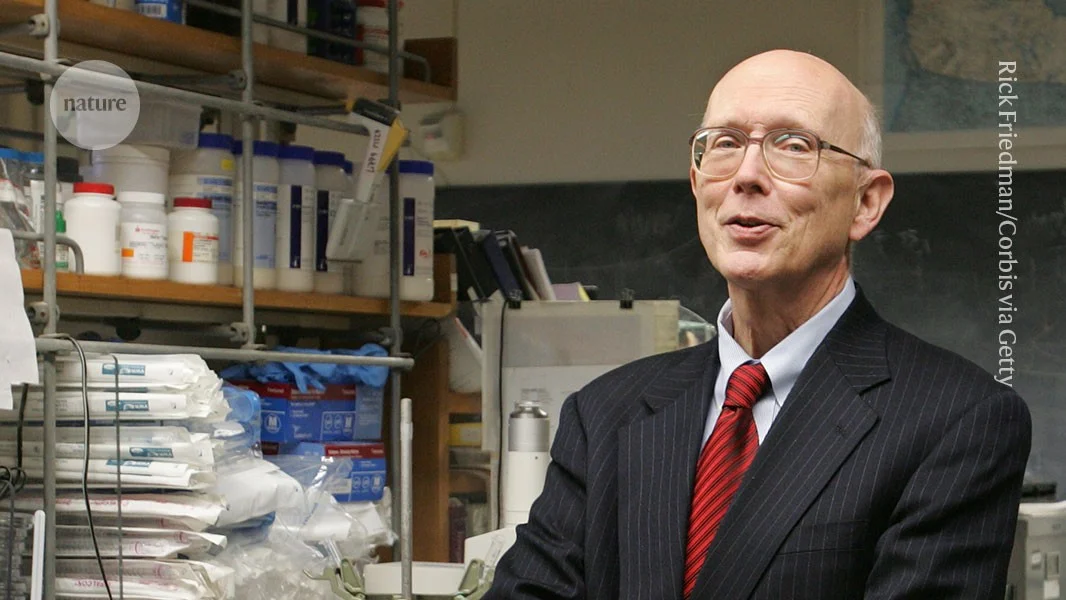
Whitesides leaves scientific community
Chemistry giant George Whitesides has passed away, ending the career of one of the most influential researchers of his generation. He made landmark contributions to many fields including patterning surfaces with molecules and advancing nanotechnology. Following the news of his passing, messages celebrating his impact flooded online platforms from colleagues worldwide. Stanford University chemical engineer Zhenan Bao from California voiced profound sorrow over the demise. She noted that George showed how important problems do not respect lines between different disciplines.
Career path and innovations
Whitesides was born in Louisville, Kentucky, in 1939 and began his first chemistry experience as a teenager cleaning glassware. He earned a bachelor's degree in chemistry at Harvard before enrolling for a PhD at the California Institute of Technology. During his doctoral studies he investigated how Grignard reagents form and behave within chemical reactions. He later invented soft lithography, a technique that uses polymer stamps to transfer microscopic patterns to surfaces. This innovation enabled the creation of 3D nanostructures and microfluidics without needing sophisticated cleanroom facilities.
Legacy across institutions
Whitesides educated many researchers who worked in his lab first at MIT then at Harvard University. Joseph DeSimone, a polymer scientist at Stanford, stated that Whitesides made it okay not to stay in one lane. He encouraged students to switch research interests often rather than working on what others were already doing. John Rogers, a materials scientist at Northwestern University, described the ability to easily pattern surfaces as an enabling research tool. This approach democratized the ability to conduct complex material research for many scientists globally.
Reported by one outlet
Only one outlet has published this. Nothing here has been checked against a second report, so read it as that outlet's account and follow the link below for the original.
Reported by
1 independent outlet. Headline as published. Links open the original report.