Genomes reveal how vampire bats survive on blood alone
A new genomic analysis published on bioRxiv explains how three bat species digest blood and manage water after feeding.
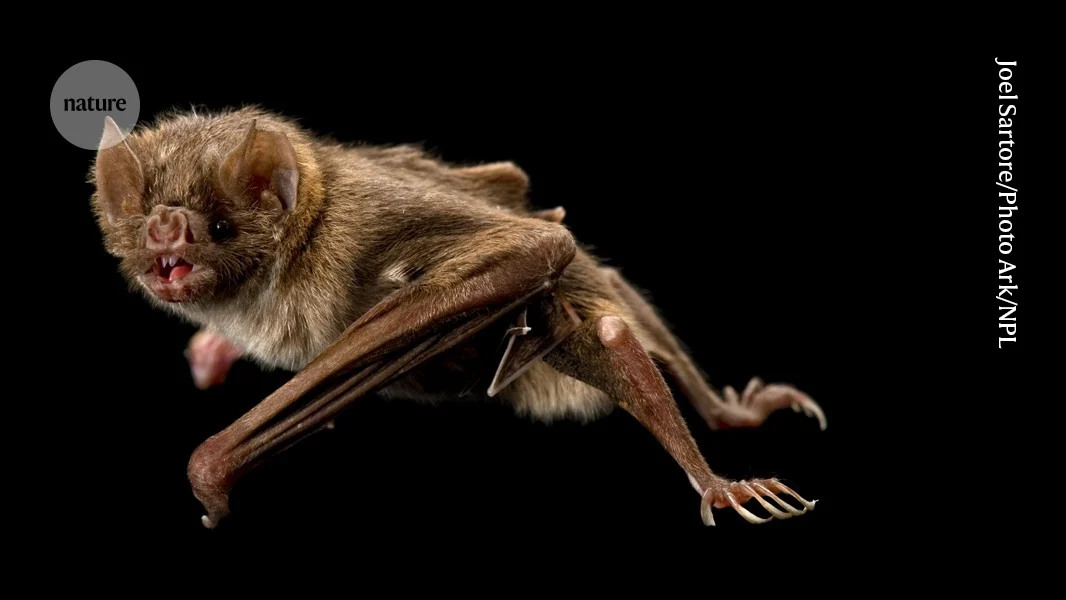
Stomachs repurposed for storage
Researchers generated genomes for all three vampire-bat species and compared them with other bats. The stomach stands out as the most changed organ in these mammals. In most animals, the stomach bathes food in acid to aid digestion. Vampire bat stomachs have become stretchy, pH-neutral storage sacs lined with thick connective tissue. These organs expand after a feast to hold large volumes of liquid blood. In order for bats to return home with speed after losing extra moisture, their stomachs increase the function of a gene that moves fluids. This gene is typically active in salivary and sweat glands but increases by more than 900-fold here.
Lost genes for taste
Certain genes essential for distinguishing sweet from bitter flavors have disappeared entirely in these bats. Even though their blood contains little fat, these bats maintain certain genes that help break down lipids. While these genes become less active after maturity, they could allow nursing puppies to break down the fatty milk provided by their mothers. This allows young bats to switch to a blood diet after weaning from their mothers. Michael Hiller led the study at the Senckenberg Research Institute in Frankfurt, Germany.
Reported by one outlet
Only one outlet has published this. Nothing here has been checked against a second report, so read it as that outlet's account and follow the link below for the original.
Reported by
1 independent outlet. Headline as published. Links open the original report.