Genetic resistance found in lodgepole pines against beetle outbreaks
Researchers at Western University identified genetic traits that help lodgepole pines survive mountain pine beetle attacks across western North America.
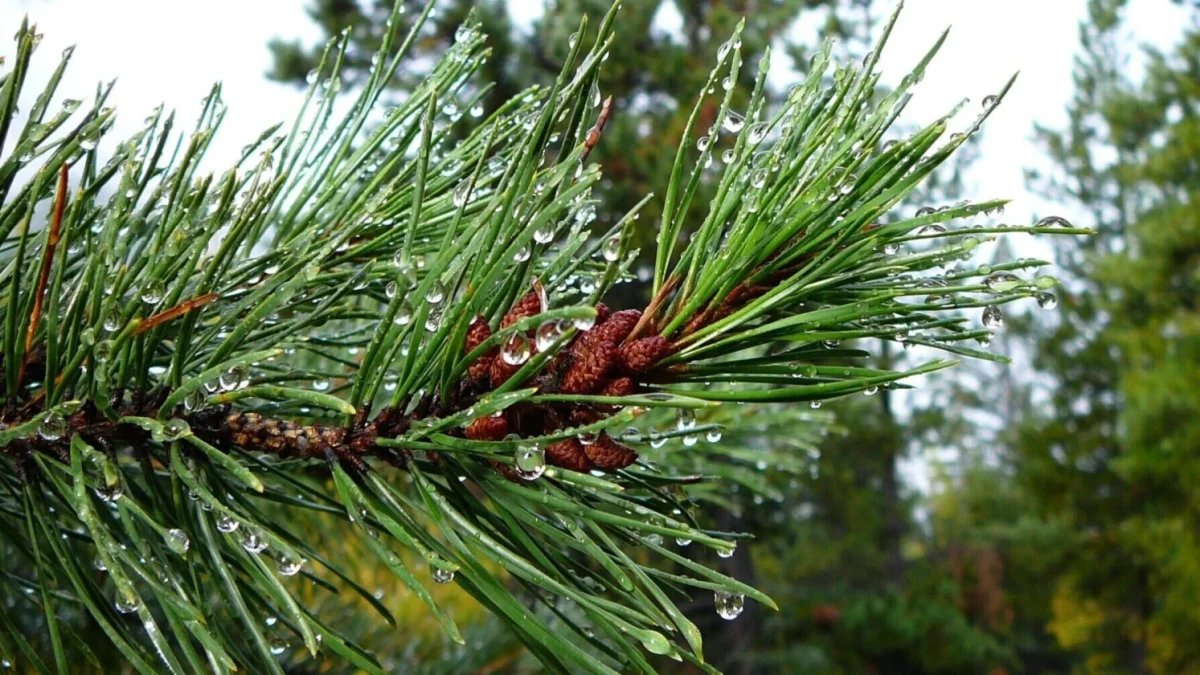
Study reveals inherited survival traits
A research team published findings in Molecular Ecology showing nearly half of survival variation stems from inherited genetics. Professor David Coltman from Western University led the study involving biologist collaborators and forestry experts. The team analyzed DNA from 418 young trees to compare offspring of surviving versus dead parent trees. They examined more than 14,000 genetic markers to distinguish resistant traits passed through seeds.
Beetle outbreak spans millions of hectares
Mountain pine beetles have killed millions of lodgepole pines since the 1990s across western North America. The current population explosion has affected over 27 million hectares of forest in Canada, the United States and northern Mexico. Warmer winters and fire suppression practices have allowed beetle numbers to exceed normal limits. Healthy trees now face attacks that previously targeted only older or weakened specimens.
Forestry industry adopts new breeding methods
According to Coltman, scientists are able to pinpoint tree origins possessing inherent durability suitable for replanting initiatives. Collecting cones from surviving branches helps isolate seeds likely fertilized by resistant parent trees. By adopting this method, the sector can cultivate trees with enhanced resilience against upcoming beetle assaults. The discovery offers a new way to build resilience into Canada's forests against recurring outbreaks.
Reported by one outlet
Only one outlet has published this. Nothing here has been checked against a second report, so read it as that outlet's account and follow the link below for the original.
Reported by
1 independent outlet. Headline as published. Links open the original report.