Fossil teeth show Homo erectus lived with Denisovans in China
Researchers found fossil teeth from two caves in southern China that prove Homo erectus and another human lineage coexisted there around 184,000 years ago.
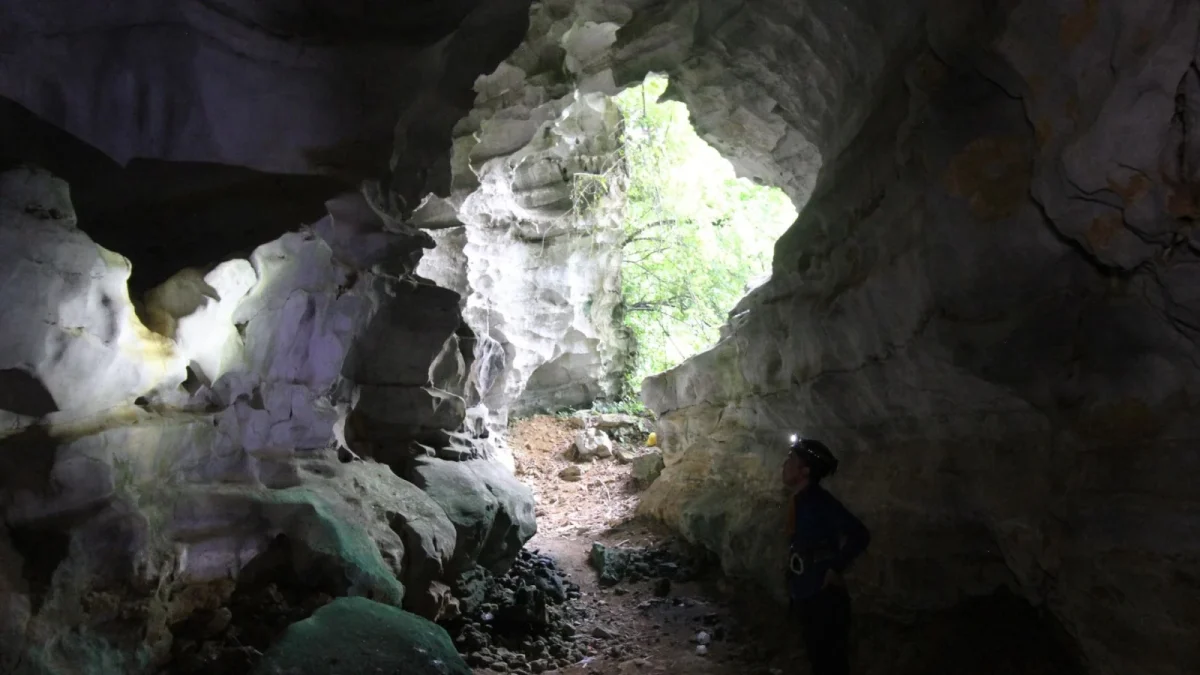
Nine ancient teeth found in Guangxi
Scientists discovered nine fossil teeth among more than 18,000 mammalian fossils collected from the Baxian and Naxian caves. These sites are located about nine miles apart in a limestone karst landscape within Guangxi province. Radiometric dating methods including uranium decay analysis place the fossils between 324,000 and 184,000 years old. Eight teeth show physical features matching Homo erectus while one distinct tooth remains unidentified.
Proteomics reveals ancient human diets
The team analyzed proteins preserved in the enamel because DNA degrades rapidly in warm humid environments. Four of the similar teeth matched known Homo erectus protein signatures while the ninth differed significantly. Chemical traces indicate that Homo erectus consumed tropical food sources within dense rainforest vegetation. This finding challenges previous beliefs that only modern humans could thrive in such demanding habitats.
Study published in Nature journal
Frido Welker from the University of Copenhagen led the international research effort published Wednesday in Nature. The study extends the known timeline for Homo erectus by approximately 200,000 years beyond earlier records. Researchers determined sex differences using amelogenin-Y protein codes found in one of the four similar teeth. The discovery suggests at least two hominin populations occupied these rainforest conditions simultaneously.
2 outlets, different leads
-
Live Science
Homo erectus and Denisovans may have lived alongside each other in China, study suggests
-
Phys.org
One unusual tooth suggests Homo erectus shared southern China with another human species
Reported by
2 independent outlets. Headlines as published. Links open the original report.