Forest protection outside US parks boosts bird populations
Researchers at Michigan State University published a study on October 31 showing that protecting forests beyond national park borders is vital for birds in the northeastern United States.
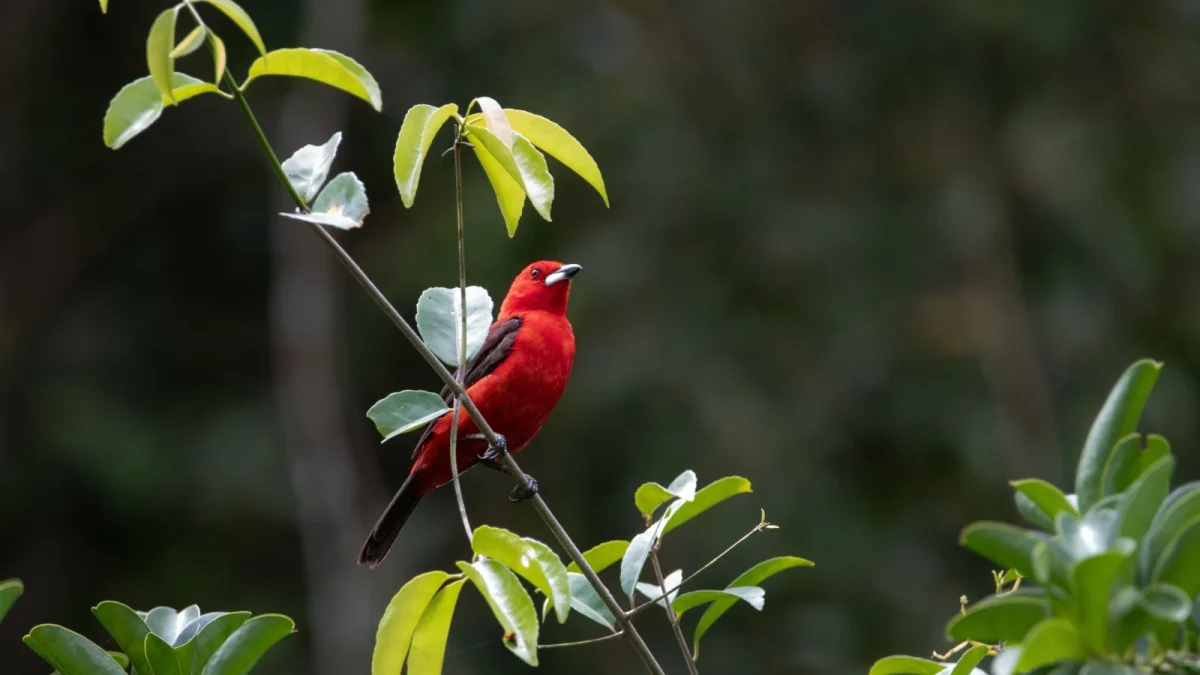
Birds need more than just parks
A team led by Elise Zipkin analyzed seventeen years of monitoring data collected between 2006 and 2023. Volunteers from the National Park Service recorded bird sounds at eight national parks in the northeastern United States each summer. The analysis examined forest structure from within 400 meters of sightings to the entire surrounding county. Results showed that forest habitat outside park boundaries mattered more than conditions inside for most species.
Declining populations drive new focus
Wild populations of eastern forest birds are down 17 percent from half a century ago according to Zipkin. Many populations continue to decline even within protected areas despite efforts to set land aside for nature. Fledglings must leave nests and disperse before migrating south, requiring safe landscapes beyond immediate nesting grounds. Brown creepers chose parks surrounded by mature trees regardless of internal forest structure while other species had specific needs.
Degraded landscapes limit bird presence
Amaral stated that a perfectly healthy park cannot sustain birds if it sits in a degraded landscape. The study published in Landscape Ecology emphasizes that local interactions like feeding young depend on immediate vicinity conditions. However, larger landscape scales determined whether species were likely to be present across the sixteen studied groups. Volunteers continue recording data to track these changes as populations face ongoing challenges.
Reported by one outlet
Only one outlet has published this. Nothing here has been checked against a second report, so read it as that outlet's account and follow the link below for the original.
Reported by
1 independent outlet. Headline as published. Links open the original report.