EPA confirms no elevated lead in Iowa water after explosion
The US Environmental Protection Agency confirmed that drinking water levels remained safe following the detonation of nearly five tonnes of toxic explosives in Iowa on 25 November.
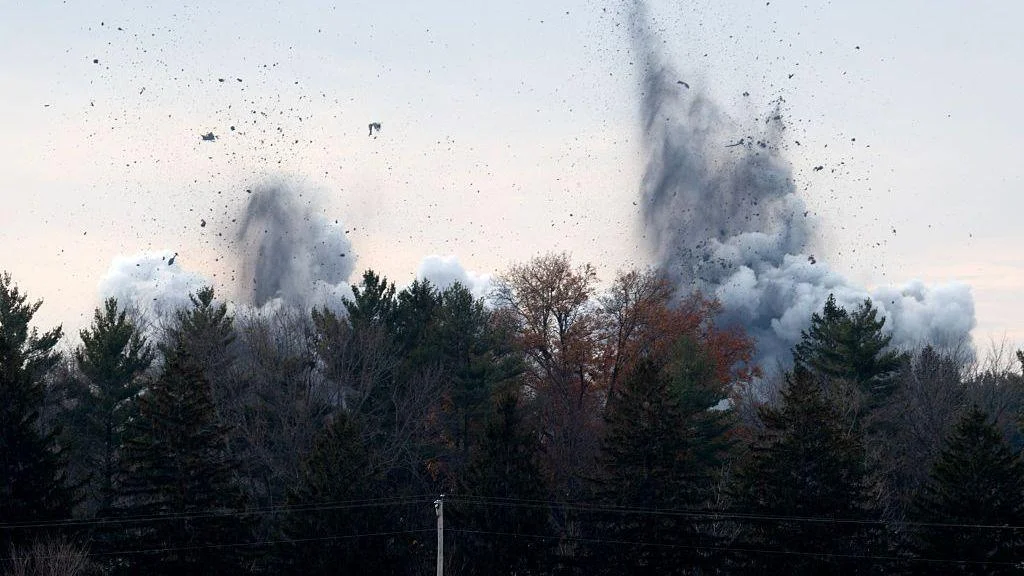
Water tests show no contamination
Following the explosion, the EPA reported that 38 public water supply samples contained no lead. Officials examined samples of both processed finished drinking water and raw water collected at the intake locations. A team of 300 personnel spent 30 consecutive hours collecting samples and monitoring for airborne lead immediately after the event.
Army stored explosives for two decades
The military detonated lead azide, a volatile compound that had been in storage for around 20 years. Degradation through recrystallisation made the material susceptible to accidental detonation from friction or movement. Residents faced warnings about potential exposure to toxic lead dust before the scheduled explosion.
Legal challenges cleared by court
An appeals court cleared the way for the blast after ruling that uncontrolled explosion risks outweighed environmental concerns. The Army had paused plans several times due to public outcry and legal challenges regarding health impacts. Officials warned residents of Middletown, Iowa, while creating an optional evacuation zone ahead of the detonation.
Reported by one outlet
Only one outlet has published this. Nothing here has been checked against a second report, so read it as that outlet's account and follow the link below for the original.
Reported by
1 independent outlet. Headline as published. Links open the original report.