Deep-sea mussels switch from tidal rhythms to a 24-hour cycle in lab studies
Researchers from the University of Vienna and partner institutions in France, Germany, and the UK established cell cultures from Bathymodiolus azoricus mussels living at hydrothermal vents to study their biological timing.
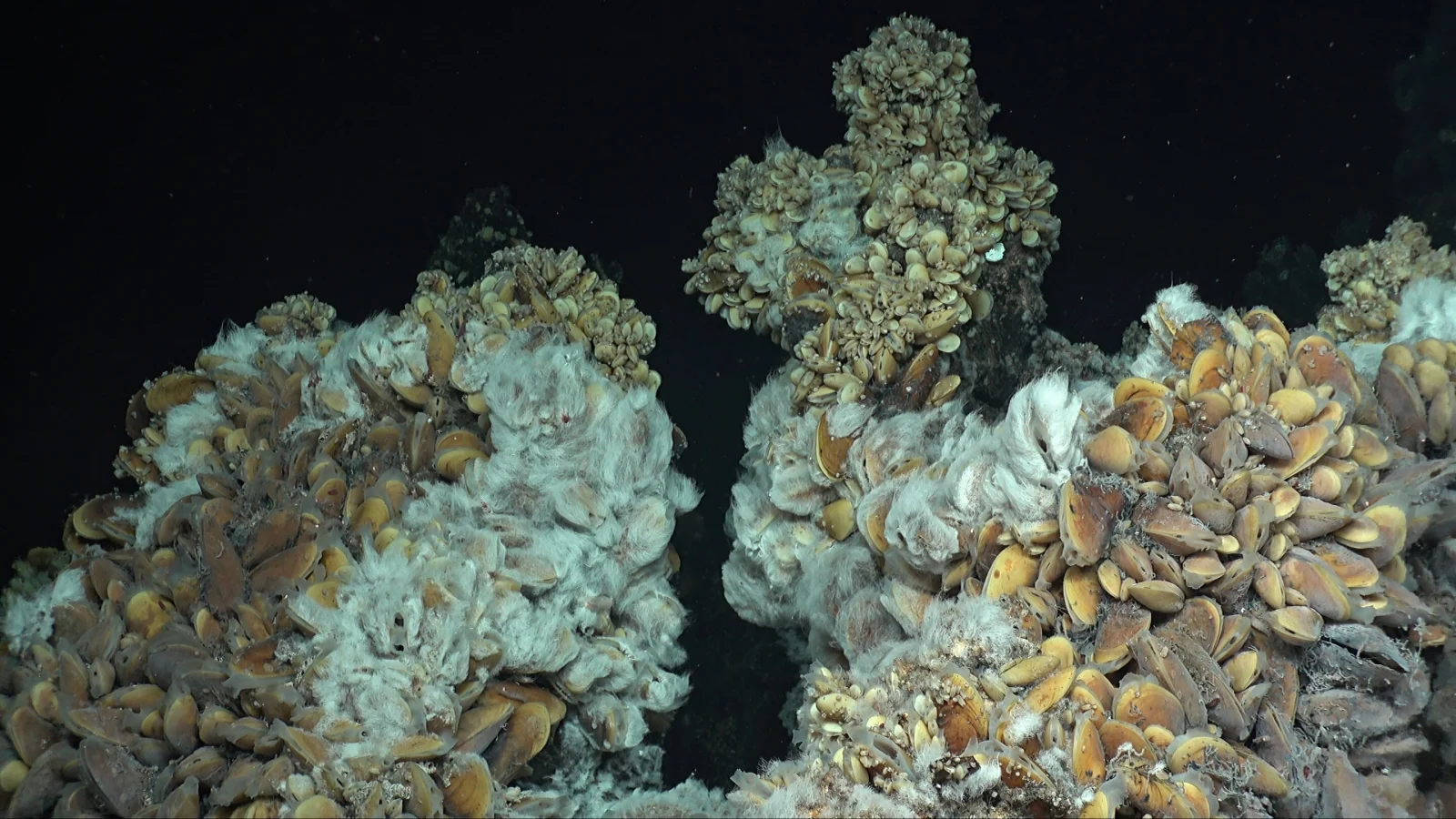
Mussels live under extreme pressure
The Bathymodiolus azoricus species colonizes the seafloor around vent chimneys at a depth of 1,700 meters. These organisms must withstand high pressure and hot fluid rich in heavy metals while living in perpetual darkness. Their natural environment involves seawater that permeates rocks before pouring back into the ocean as hydrothermal fluid.
Cell cultures reveal genetic links
Scientists created cell cultures from these deep-sea mussels to gain cellular and molecular insights into biological timing mechanisms. The study published in EMBO Reports shows that tidal-driven environments allow the same genes to regulate time as those found in land-dwelling organisms. This finding indicates that biological timing can rely on identical genetic pathways regardless of whether an organism lives on land or at the ocean floor.
Reported by one outlet
Only one outlet has published this. Nothing here has been checked against a second report, so read it as that outlet's account and follow the link below for the original.
Reported by
1 independent outlet. Headline as published. Links open the original report.