Compact Accelerator System CASPAR restarts to study fluorine formation in stars
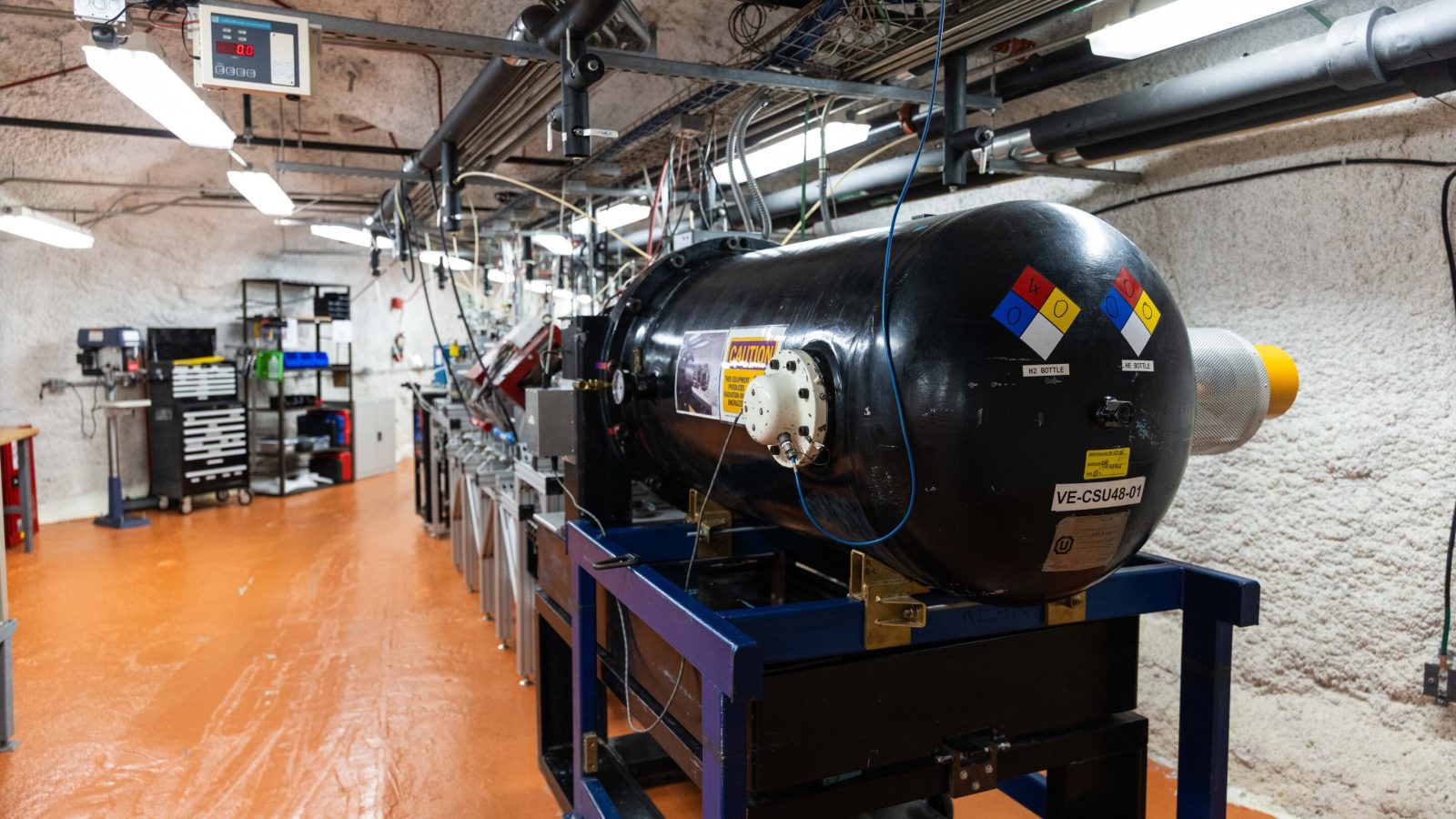
Researchers at the Sanford Underground Research Facility have restarted the Compact Accelerator System for Performing Astrophysical Research to study how fluorine formed in early stars.
New target focuses on element nine
The experiment recently began a new science run using fluorine as its specific target material. This choice allows scientists to investigate the reactions that created this ninth element on the periodic table very early in the universe.
Study aims to understand first stars
Leah Zimmer, a physics candidate at the University of Notre Dame, leads the effort to analyze fluorine interactions. She notes that these interactions help solve the puzzle regarding how the first stars formed way back in the early universe.
Machine mimics stellar fusion conditions
The small particle accelerator located nearly a mile underground recreates the intense heat and pressure found inside stars. By smashing protons into specialized targets, the device simulates the cosmic cauldrons where heavier elements are forged.
Reported by one outlet
Only one outlet has published this. Nothing here has been checked against a second report, so read it as that outlet's account and follow the link below for the original.
Reported by
1 independent outlet. Headline as published. Links open the original report.