City crows show more fear of new objects than rural birds
Biologists in Ithaca and Dryden found that urban crows hesitate longer at unfamiliar items like corn while rural birds fear humans more.
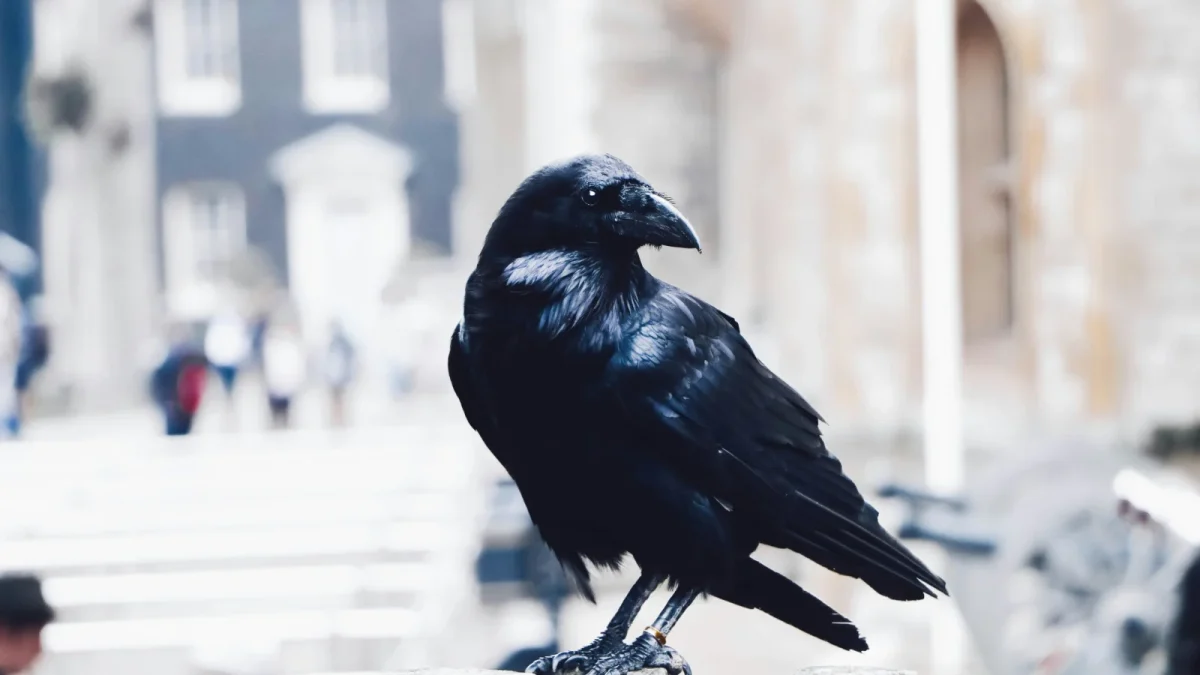
New objects cause hesitation
A new study published in Behavioral Ecology examined how experience shapes crow behavior. Researchers tested ten families of urban crows near Ithaca and ten rural families near Dryden. Both groups received peanuts but faced different novel items like rocks, corn, or wooden lamps. Familiar objects caused little hesitation while unfamiliar ones increased wariness significantly. Urban crows showed greater fear of the generic takeout box than their country counterparts.
Human gaze affects flight
Rural crows displayed much higher overall fear when humans were present during testing. Urban birds paid close attention to whether a person looked directly at them. If the human did not look directly at the bird, it stayed grounded more often. This difference suggests city birds rely on social cues from their group members. Rural birds seem less sensitive to eye direction but remain highly cautious of people.
Experience drives caution levels
Dave J Colucci explained that aversion drops as crows gain experience with specific objects. Anne Clark noted that urban areas offer many new opportunities alongside new threats. Social animals watch each other closely to assess safety in crowded environments. Generic boxes lacked brand recognition so both groups treated them as strange items.
Reported by one outlet
Only one outlet has published this. Nothing here has been checked against a second report, so read it as that outlet's account and follow the link below for the original.
Reported by
1 independent outlet. Headline as published. Links open the original report.