Citizen scientists submit nearly 30,000 insect observations during Australian bug hunt
Australians have uploaded almost 30,000 insect photographs to a national database during the second Bugs in my Backyard Week event.
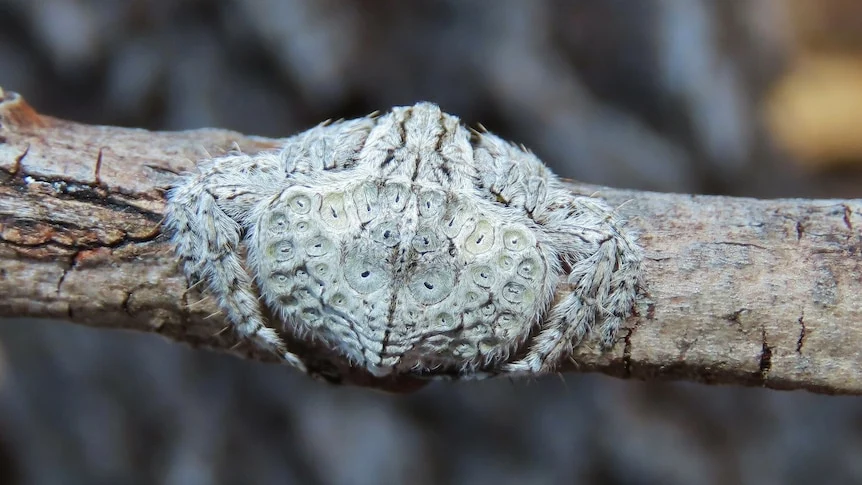
Residents upload backyard insect photos
Deb Taylor spotted a rare beetle on a leaf while walking her property in regional New South Wales. She took photos and uploaded them to the iNaturalist database for identification by biologists. Jess Ward-Jones, co-coordinator of Bug Hunt, stated that nearly 30,000 observations have been submitted across Australia this week. Ms Taylor has taken over 4,500 observations in recent years, many of which remain unidentified to species level.
Data tracks pest spread and rare finds
Scientists use the crowd-sourced data to monitor introduced pests like fire ants in the Brisbane area. Citizen scientists working within that particular area account for seventy per cent of the recorded fire ant sightings. The project also helped researchers locate a species of ant on the Eyre Peninsula thought to be extinct for decades. Additionally, a critically endangered dinosaur ant was found in South Australia after fifty years of searching in Western Australia.
Moths lead current submission counts
For this year's count, the bogong moth has surpassed the European honeybee to become the most submitted species. Invertebrates make up 95 per cent of Australian species diversity and provide essential ecosystem services like clean water. Participants simply download an app to start snapping bugs and connecting with wildlife around them.
Reported by one outlet
Only one outlet has published this. Nothing here has been checked against a second report, so read it as that outlet's account and follow the link below for the original.
Reported by
1 independent outlet. Headline as published. Links open the original report.