Citizen science volunteers in Western Australia use detectors to study local microbat populations
Researchers in Western Australia enlisted volunteers to use bat detectors for studying microbats.
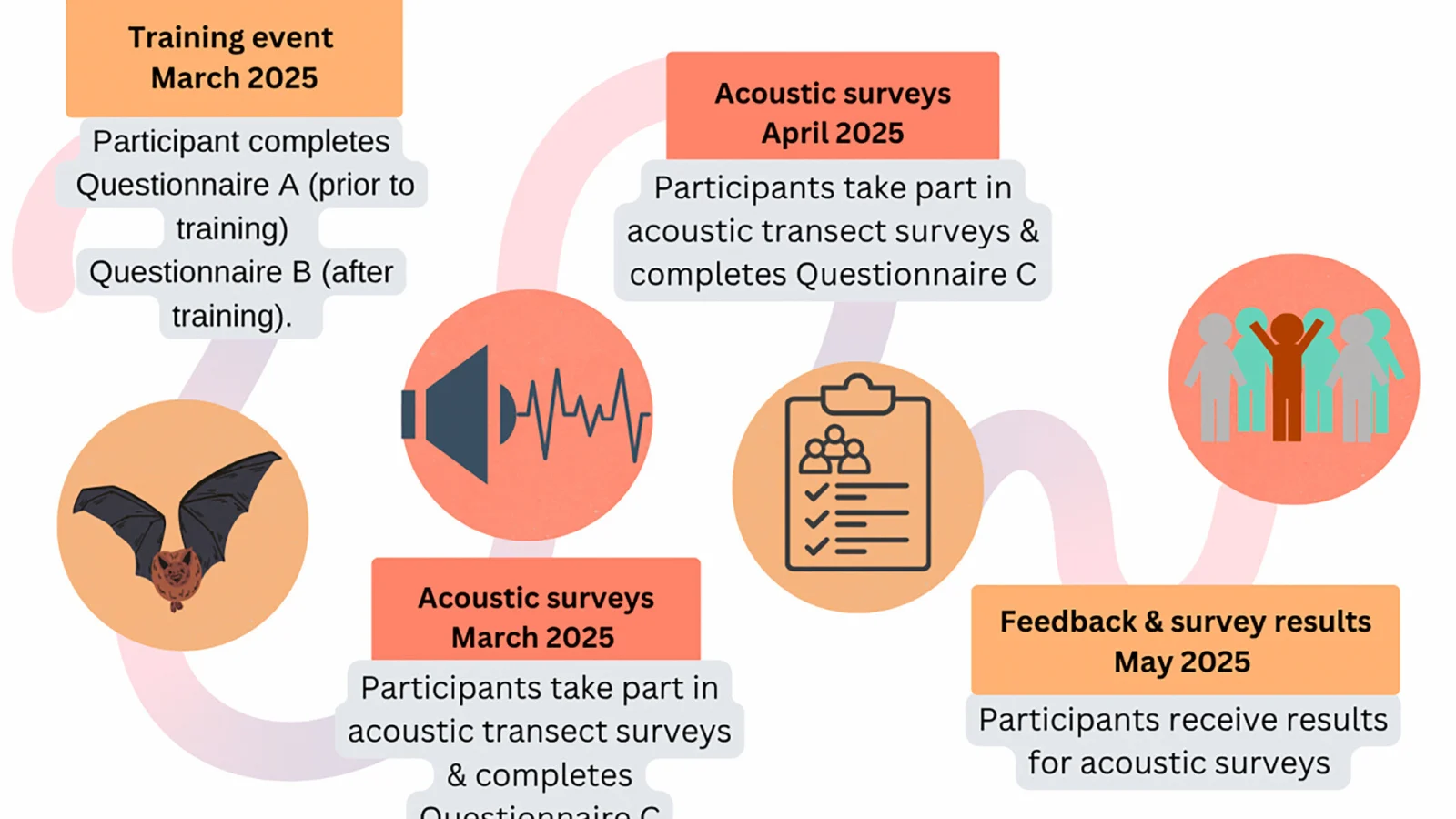
Volunteers record ultrasonic calls
Scientists gave curious volunteers from Western Australia access to specialized bat detectors. These devices convert the ultrasonic calls of microbats into sound recordings that humans can hear. The recordings help researchers identify which specific species are present in the area.
Bats face unique study challenges
Microbats are small mammals with fast flight patterns that make them difficult to find. Their nocturnal habits and reliance on echolocation further complicate efforts to observe them directly. Different species produce calls that vary in frequency, shape, and timing.
Australia hosts many bat types
The continent is home to more than 80 distinct species ranging from tiny forest bats to large flying foxes. These animals make up around 22 percent of all mammal species found in the world.
Reported by one outlet
Only one outlet has published this. Nothing here has been checked against a second report, so read it as that outlet's account and follow the link below for the original.
Reported by
1 independent outlet. Headline as published. Links open the original report.