Caltech study finds Eaton Fire smoke exposed millions to high lead
Caltech scientists analyzed atmospheric particles from the January 2025 Eaton Fire in Altadena, Southern California, revealing elevated toxic metal levels.
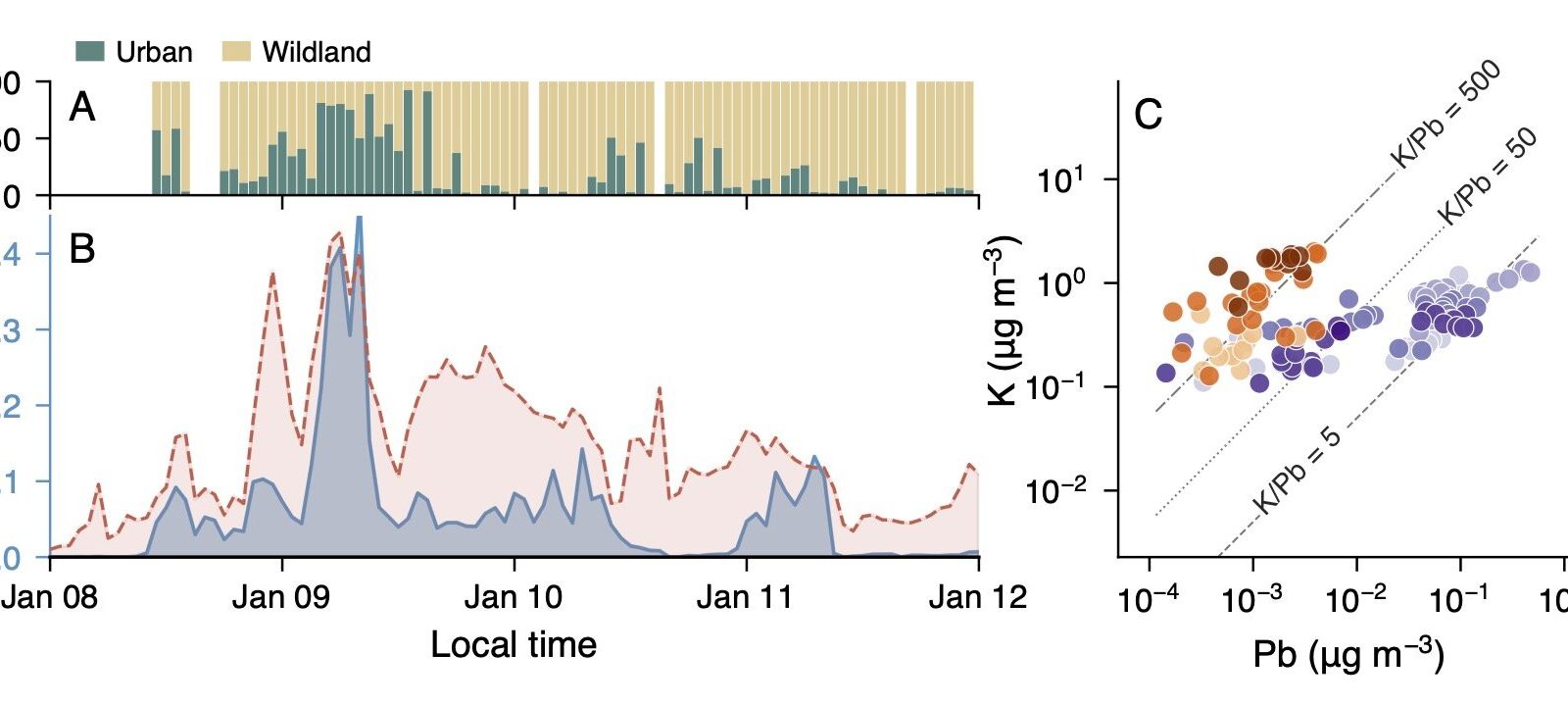
Urban fire creates unique chemical signature
Researchers published the first detailed analysis of smoke plume particles from this specific blaze. The data confirms that burning structures and vehicles produced a different chemical mix than typical wildfires. Measurements taken downwind showed toxic metal concentrations spiked dramatically during the early stages of the burn.
Lead exposure reached extreme levels
The urban plume contained lead concentrations over fifty times higher than those found in standard wildfire smoke. Scientists estimate that nearly 7 million people across the Los Angeles metropolitan area faced these elevated risks at the peak of structural burning. This exposure represented lead levels eighty times greater than typical values recorded for the region.
Other toxins also increased significantly
The analysis detected sevenfold increases in chlorine and bromine alongside the massive rise in arsenic levels. These findings characterize the air residents breathed during an urban fire event distinct from forest fires. The results may help improve models used to determine emergency health responses for future incidents.
Reported by one outlet
Only one outlet has published this. Nothing here has been checked against a second report, so read it as that outlet's account and follow the link below for the original.
Reported by
1 independent outlet. Headline as published. Links open the original report.