Buffalo physicists solve math linking slow magnets to fast black hole physics
A team led by University at Buffalo physicists published a study on September 17 in Physical Review Letters describing a mathematical link between spin glasses and the SYK model.
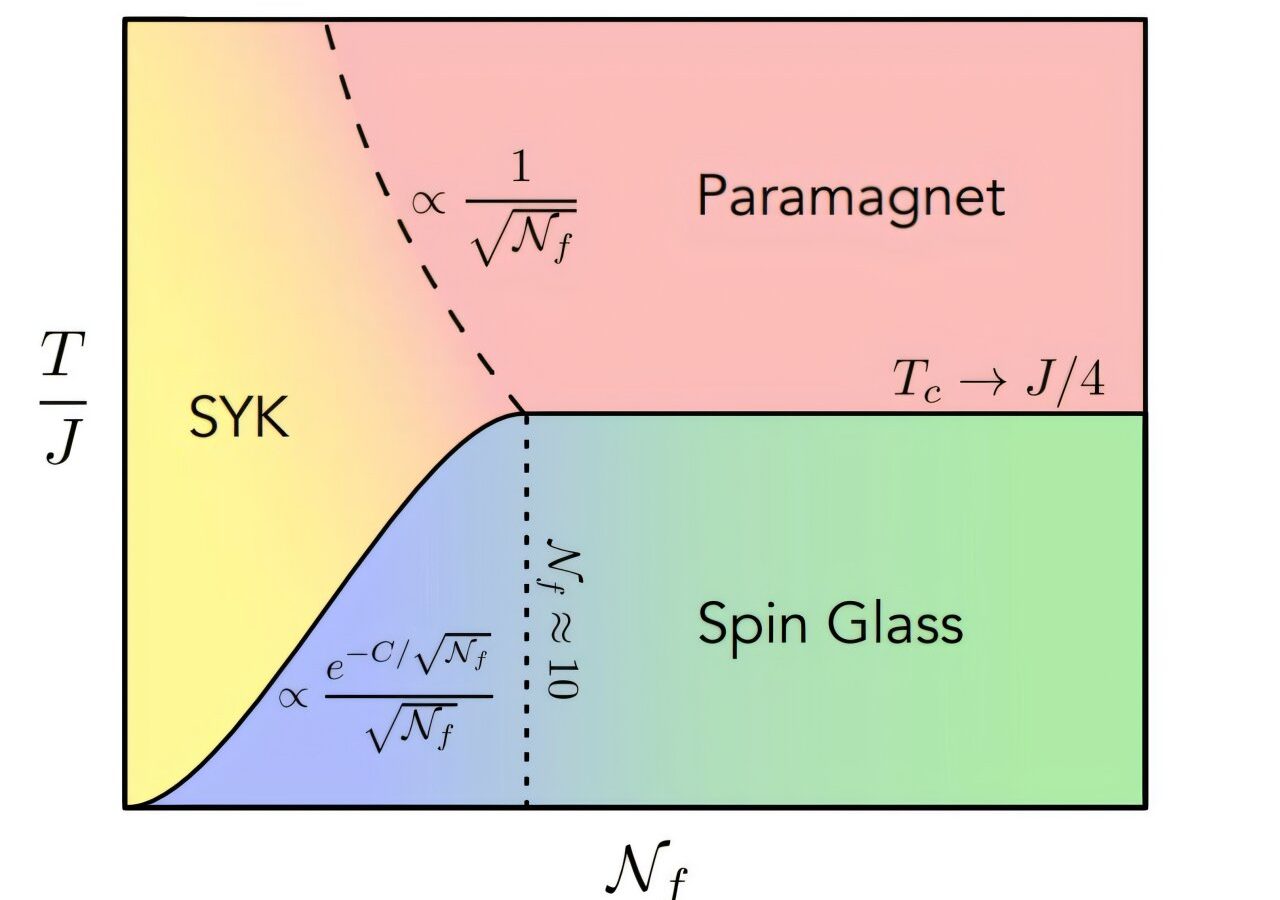
Study connects frozen magnets to chaos
Researchers found a solution showing how atomic magnets can shift from slow, frozen states to fast, entangled behavior. This transition mirrors properties seen in black hole physics and quantum chaos. The work bridges spin glasses with the Sachdev-Ye-Kitaev model used for exotic phenomena.
Team includes Harvard and German scholars
Jamir Marino from the University at Buffalo led the group alongside Subir Sachdev of Harvard University. Hosseinabadi served as the first author before moving to a postdoctoral position in Germany. The collaboration involved experts who originally proposed the theoretical framework for these states.
Math describes speed change in matter
The new equations explain how matter moves from among the slowest quantum dynamics to the fastest. Disordered magnetic spins respond differently when they enter this highly entangled regime. The findings were released during a specific week in September according to publication records.
Reported by one outlet
Only one outlet has published this. Nothing here has been checked against a second report, so read it as that outlet's account and follow the link below for the original.
Reported by
1 independent outlet. Headline as published. Links open the original report.