Brookhaven scientists recreate Big Bang matter with oxygen nuclei collisions
Researchers at Brookhaven National Laboratory used the Relativistic Heavy Ion Collider to create quark-gluon plasma by smashing oxygen nuclei together on October 30, 2026.
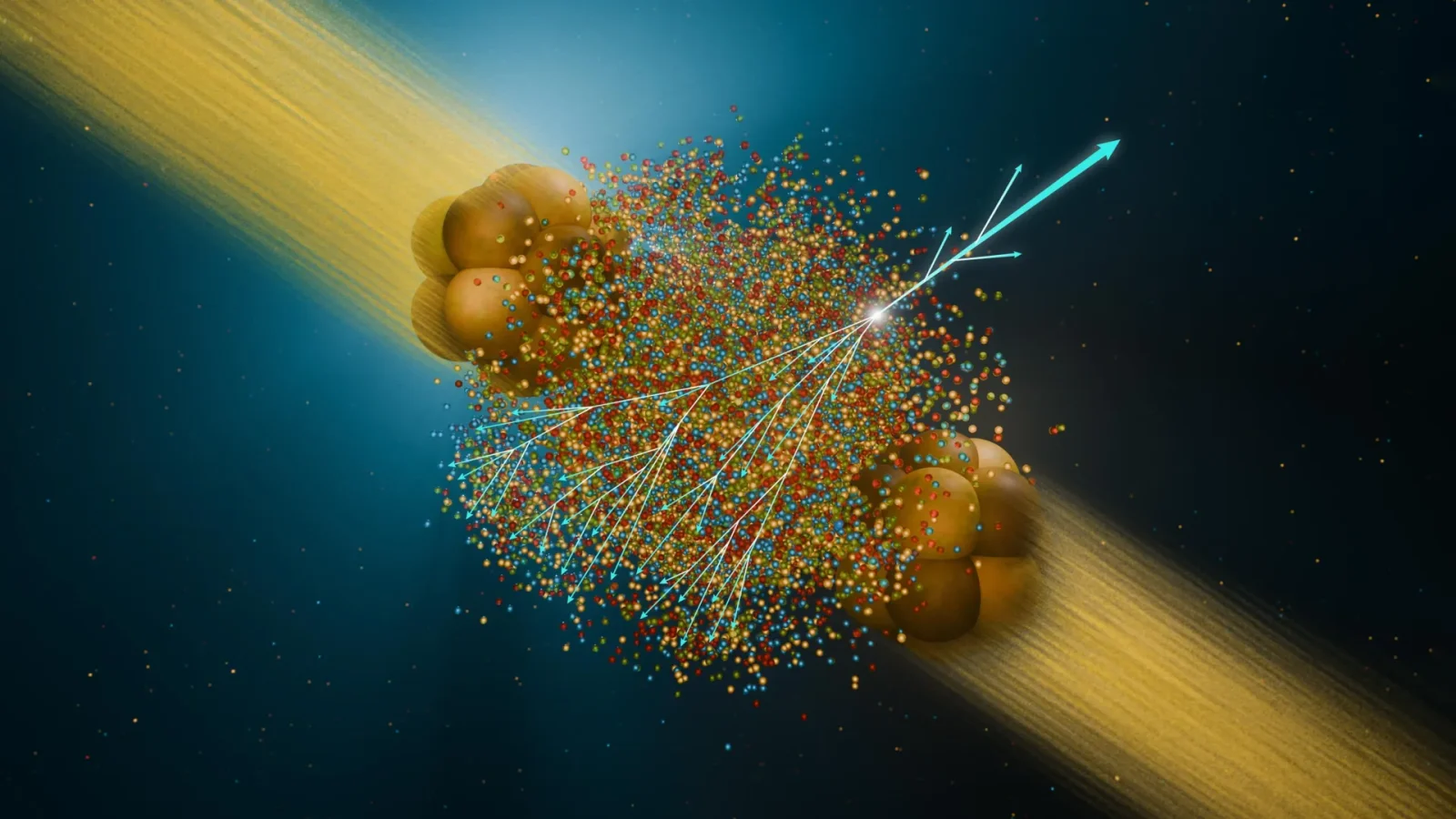
New evidence from small collisions
The STAR experiment detected signals indicating the presence of this exotic substance. These results show that quark-gluon plasma forms during impacts involving smaller atoms than before. The findings challenge previous limits on how much energy is needed to produce this state.
Jet quenching confirms the plasma
High-energy particle streams lose speed while moving through the material created by the crash. This energy loss pattern is known as jet quenching and serves as proof of the plasma. Scientists have seen this effect in larger nuclei before but not with oxygen.
Publication details and source
The team published their data in Physical Review Letters for public review. Brookhaven National Laboratory operated the facility until 2026 under the Department of Energy. The study offers clues about conditions existing shortly after the universe began.
Reported by one outlet
Only one outlet has published this. Nothing here has been checked against a second report, so read it as that outlet's account and follow the link below for the original.
Reported by
1 independent outlet. Headline as published. Links open the original report.