Boston Children’s Hospital tests mitochondrial heart injections
Scientists at Boston Children's Hospital are injecting fresh mitochondria into newborn hearts to treat critical defects and improve recovery from life support.
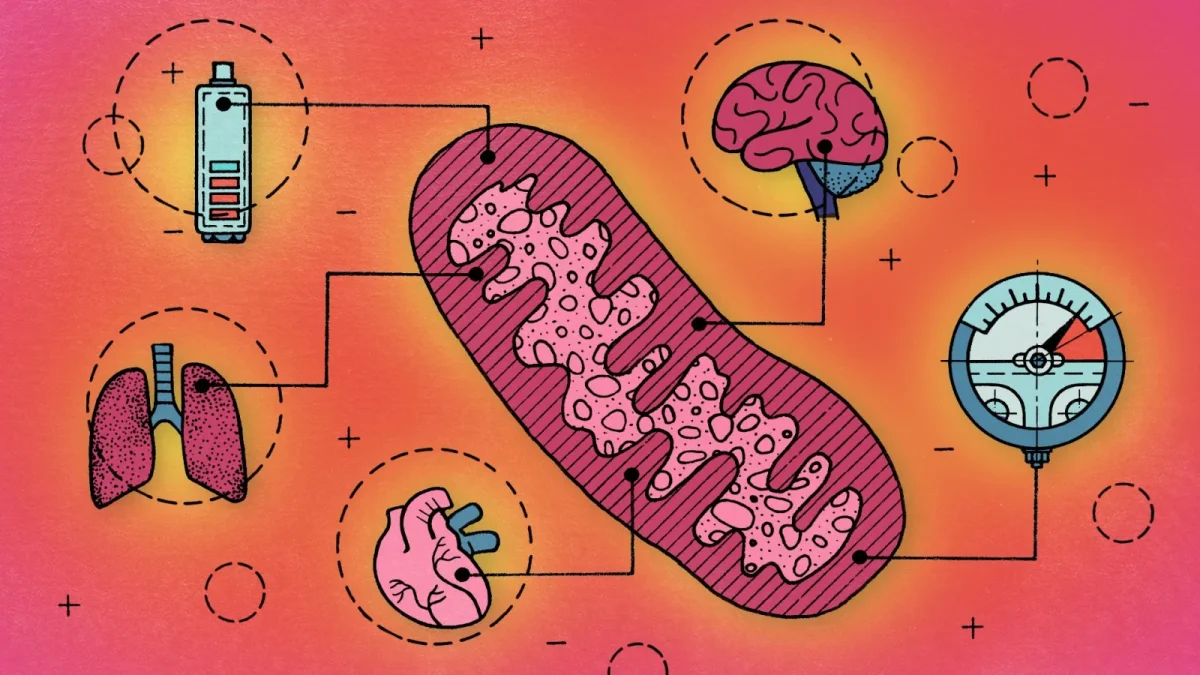
Newborns receive energy boost
Each year, approximately 10,000 infants in the United States enter the world with severe heart defects. These infants often require surgery where major arteries swap positions or the left side is too small. Even after successful repairs, blood flow issues can cause ischemia-reperfusion injury that stuns the organ. Doctors now isolate mitochondria from abdominal muscle and inject them directly into the damaged heart tissue. As of April, 17 babies have undergone this specific procedure to help their hearts bounce back.
Survival rates show promise
Only about 40 percent of newborns previously made it off the life-support machine known as ECMO. The new treatment aims to change those odds significantly for these tiny patients. James McCully, a research associate at Boston Children's Hospital, noted that the heart blushes a healthy pink after infusion. His team isolates and purifies the mitochondria before surgical teams transplant them into patients. Early data hints that this approach might improve overall survival rates for infants with repaired hearts.
Clinical trial continues
A clinical trial is currently underway to determine if the treatment improves long-term outcomes for these children. This work remains highly experimental while its route to regulatory approval stays unclear. Other scientists are investigating whether infusions could revitalize donated organs or help stroke patients recover. The total potential energy in each person is equivalent to a lightning bolt according to Douglas Wallace. Mitochondria produce most chemical energy used by complex cells by churning out adenosine triphosphate.
Reported by one outlet
Only one outlet has published this. Nothing here has been checked against a second report, so read it as that outlet's account and follow the link below for the original.
Reported by
1 independent outlet. Headline as published. Links open the original report.