Black gobies in northern Adriatic grow larger despite warming waters
Researchers at the University of Vienna found that black gobies in the northern Adriatic Sea are growing faster and reaching larger sizes today compared to their counterparts from the past 8,000 years.
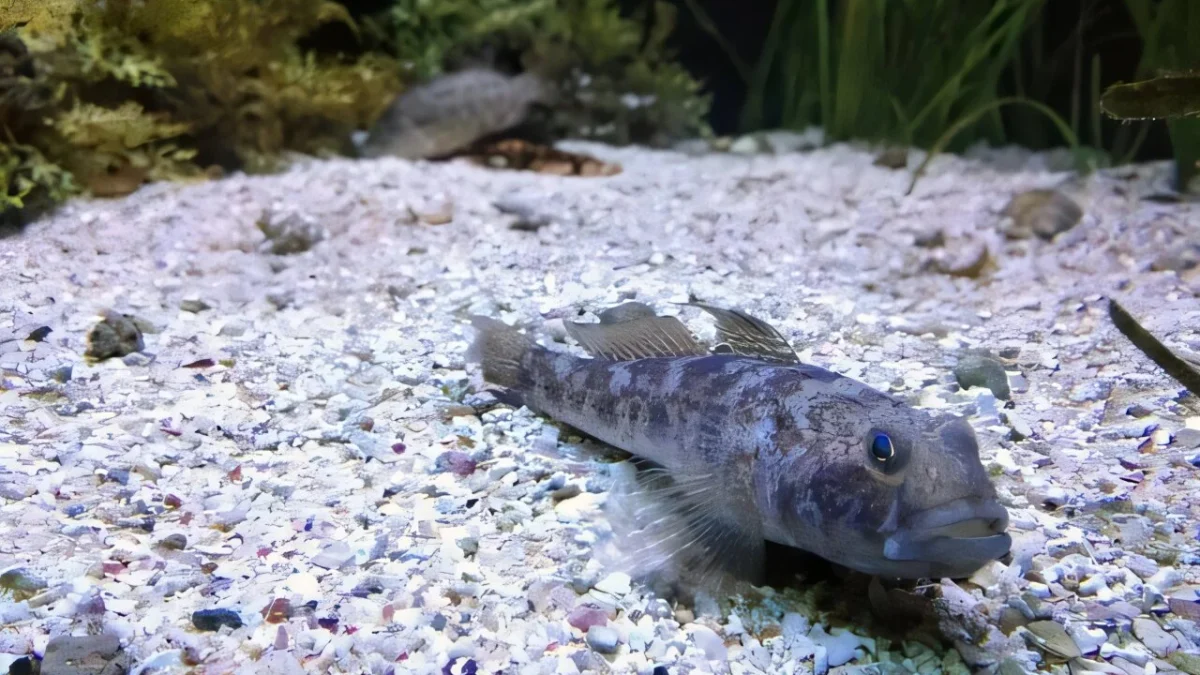
Modern fish exceed historical sizes
Researchers from the University of Vienna's Department of Paleontology studied both ancient and current ear stones found in the black goby. The study reveals that while body size remained stable historically, current specimens grow faster and reach larger dimensions. This finding contradicts previous studies showing many fish species becoming smaller under climate change. The results are published in Proceedings of the Royal Society B.
Warmer water is not the only factor
First author Isabella Leonhard notes that rising water temperatures represent just one element of the narrative. Habitats and food webs have changed fundamentally in the northern Adriatic region over time. Many larger fish species have declined due to environmental change and intensive fishing pressure. The small black goby appears to cope well with these conditions and may benefit from fewer predators.
Fossil archives reveal long term memory
Martin Zuschin, head of the Department of Paleontology, states that small species help reveal how entire ecosystems are changing. Researchers compared fossil otoliths from sediment cores spanning around 8,000 years with those from living fish today. These tiny calcified structures in the inner ear form daily and annual growth increments preserving age information. Examining otolith size allows scientists to determine if current changes represent natural variation or something unusual.
Reported by one outlet
Only one outlet has published this. Nothing here has been checked against a second report, so read it as that outlet's account and follow the link below for the original.
Reported by
1 independent outlet. Headline as published. Links open the original report.