Baylor researchers study how lab-aged microplastics bind copper in water
A team from Baylor University published a new study in the journal Microplastics about how aging plastic particles interact with contaminants.
Study examines three common plastics
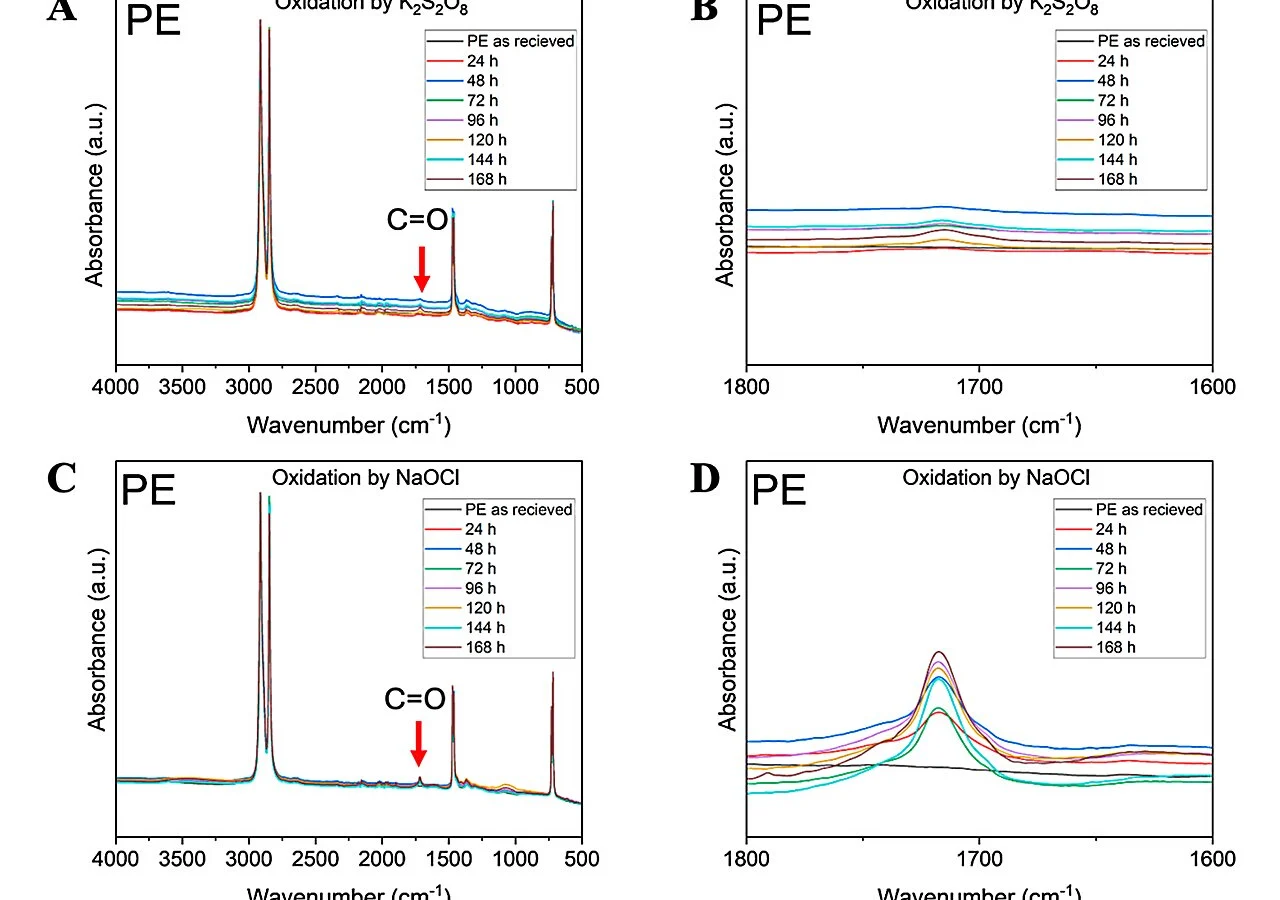
Scientists tested microplastics made of polyethylene, polyethylene terephthalate, and polypropylene to see how they change over time. The researchers used a method called accelerated chemical oxidation to speed up the aging process for their experiments. They wanted to understand if these changes affect how the plastic holds onto other substances found in nature.
Plastic binds copper from environment
The results showed that aged microplastics actively grab copper ions from both water and soil samples. This binding action allows the plastic to act as a carrier that moves metal through lakes and rivers. When wastewater treatment plants release these particles, they can increase the toxicity levels for aquatic animals like fish.
Wastewater plants are major source
The paper notes that facilities treating sewage are significant pathways for sending plastic debris into natural water bodies. During the treatment process, physical and chemical forces alter the properties of the tiny plastic pieces before they enter rivers. It remains unclear exactly how these specific treatment steps transform the particles and influence their pollution potential.
Reported by one outlet
Only one outlet has published this. Nothing here has been checked against a second report, so read it as that outlet's account and follow the link below for the original.
Reported by
1 independent outlet. Headline as published. Links open the original report.