Bayeux Tapestry reveals details about medieval buildings on both sides of the Channel
Architectural historians examine the 33 structures depicted in the Bayeux Tapestry to understand 11th-century construction styles across the English Channel.
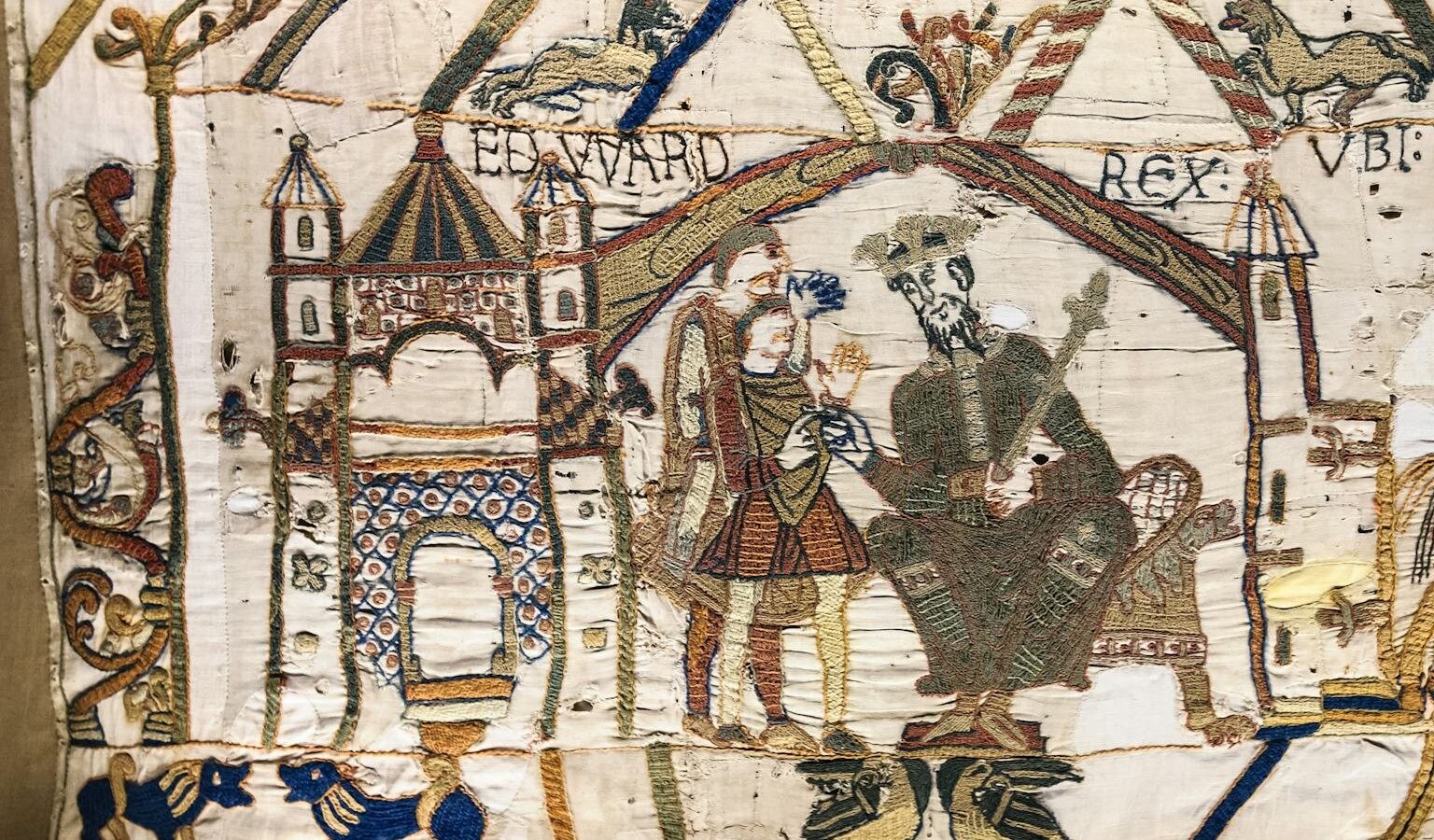
Range of architectural styles shown
The embroidery displays various structures including palaces, religious buildings, two-story houses, and simple dwellings. These representations offer a general impression of the built environment during the 11th century despite their formulaic nature.
Design influences from scriptoria
Scholars suggest the designer was familiar with work done in specific monastic scriptoria that possessed distinct styles. Parallels between the tapestry's border elements and Romanesque sculpture at Ely cathedral indicate a trained artist created the designs.
Creation process remains unclear
The tapestry likely involved trained artists creating designs for embroiderers to execute. While some believe nuns from Barking Abbey may have made it, details about the creators remain pure speculation.
Reported by one outlet
Only one outlet has published this. Nothing here has been checked against a second report, so read it as that outlet's account and follow the link below for the original.
Reported by
1 independent outlet. Headline as published. Links open the original report.