Bacteria in Pittsburgh evolved to eat industrial pollution at a former steel site
Microbiologists report that bacteria beneath a former steelworks in Pittsburgh have evolved over decades to survive and consume industrial pollutants.
Decades of adaptation underground
Former industrial sites across the Rust Belt are being redeveloped into new neighborhoods and technology hubs. Beneath this surface transformation, living ecosystems containing billions of microbes have existed for a long time. Some of these microorganisms have spent over a century responding to the chemical legacy left by local factories.
Specific location near river
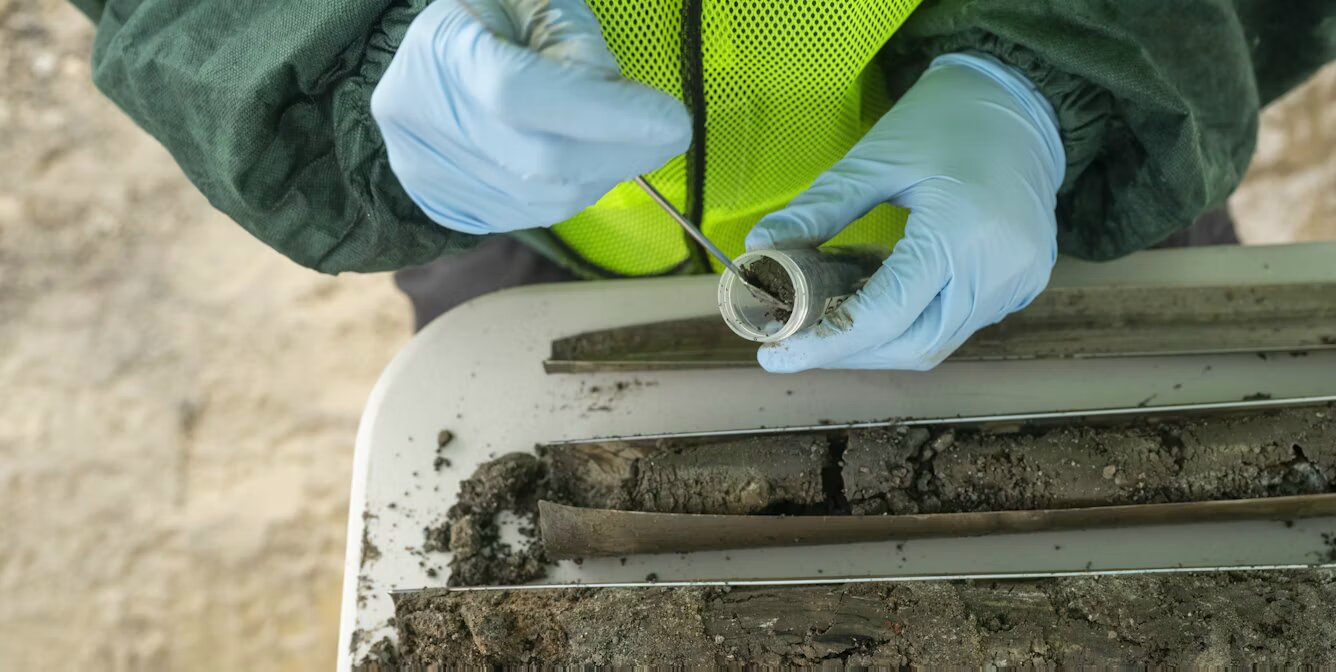
Researchers at Carnegie Mellon University study a brownfield located two miles from their lab on the city riverfront. This 178-acre area was once home to major steelmaking operations including the Jones & Laughlin Steel Co. The soil there remains contaminated with carcinogenic compounds from the site's industrial past.
Transformation of brownfields
Redevelopment of these brownfields is often complicated by the presence of pollution left behind in the ground. Abandoned factories and vacant land define many of these sites throughout the region. Microbes inhabit these soils while adapting to the specific conditions created by previous manufacturing activities.
Reported by one outlet
Only one outlet has published this. Nothing here has been checked against a second report, so read it as that outlet's account and follow the link below for the original.
Reported by
1 independent outlet. Headline as published. Links open the original report.