Astronomers propose supersonic waves explain hot Jupiter and Neptune orbits
A US team led by J. J. Zanazzi published new simulations in The Astrophysical Journal on October 28, 2026, suggesting shock waves drive exoplanet migration.
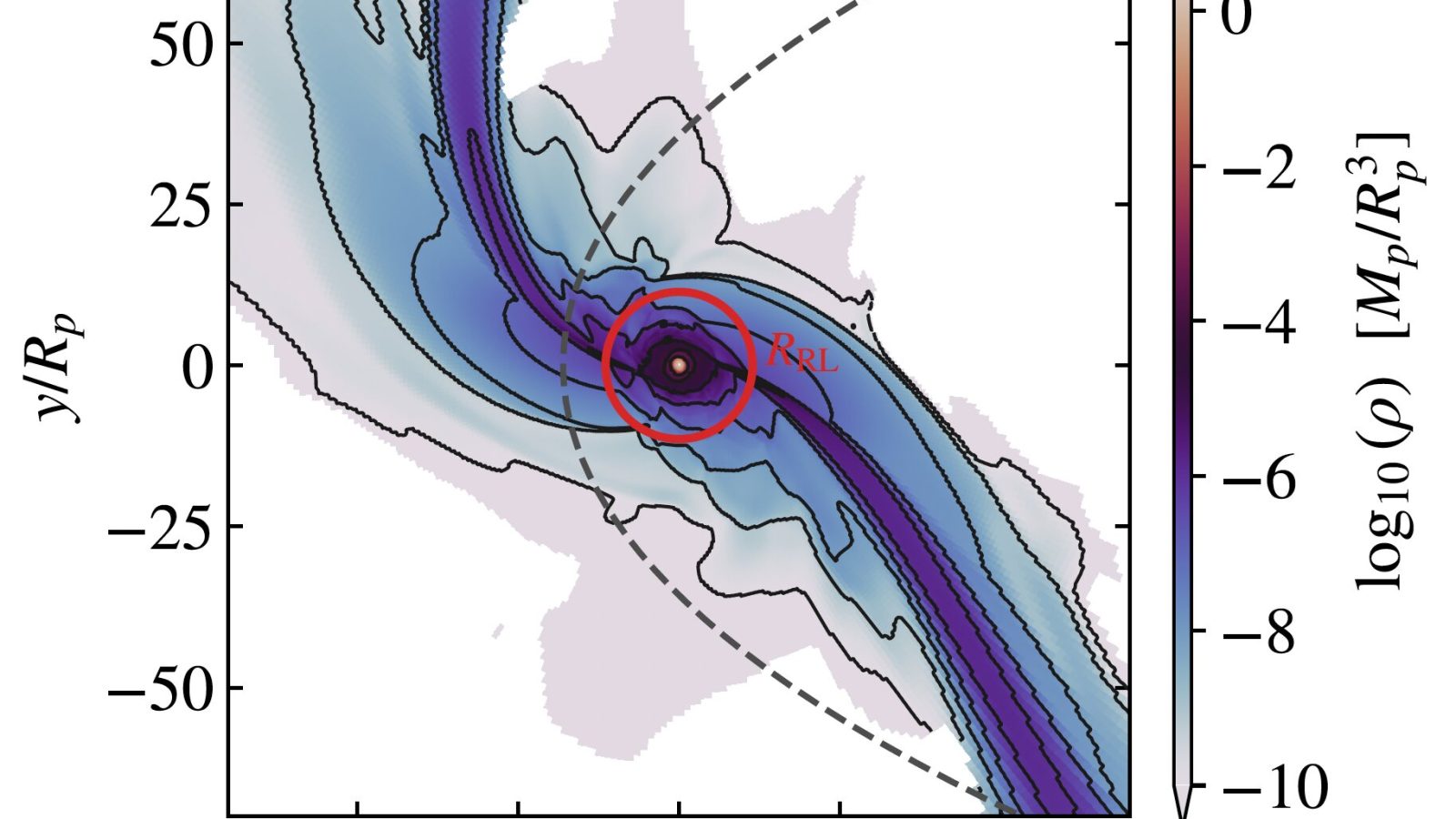
New theory for planet movement
Researchers used advanced computer models to test how giant gas worlds move closer to their stars. The simulations indicate that releasing energy through dramatic shock waves in outer atmospheres allows these planets to shift from distant paths. This process accounts for the unusual clustering seen in both massive Jupiters and smaller Neptune-sized bodies.
Specific orbital patterns explained
The study clarifies why hot Jupiters gather within a three to five day window around their host stars. Smaller gas giants show similar grouping but remain scarce on orbits shorter than about three days. These distinct features provide clues about the dramatic histories of these worlds.
Reported by one outlet
Only one outlet has published this. Nothing here has been checked against a second report, so read it as that outlet's account and follow the link below for the original.
Reported by
1 independent outlet. Headline as published. Links open the original report.