Arctic shorebirds show lower return rates than those in other habitats
A new study published in Ecography analyzed decades of field data to explain why high-Arctic shorebirds rarely return to their previous breeding grounds compared to birds in forested or grassland areas.
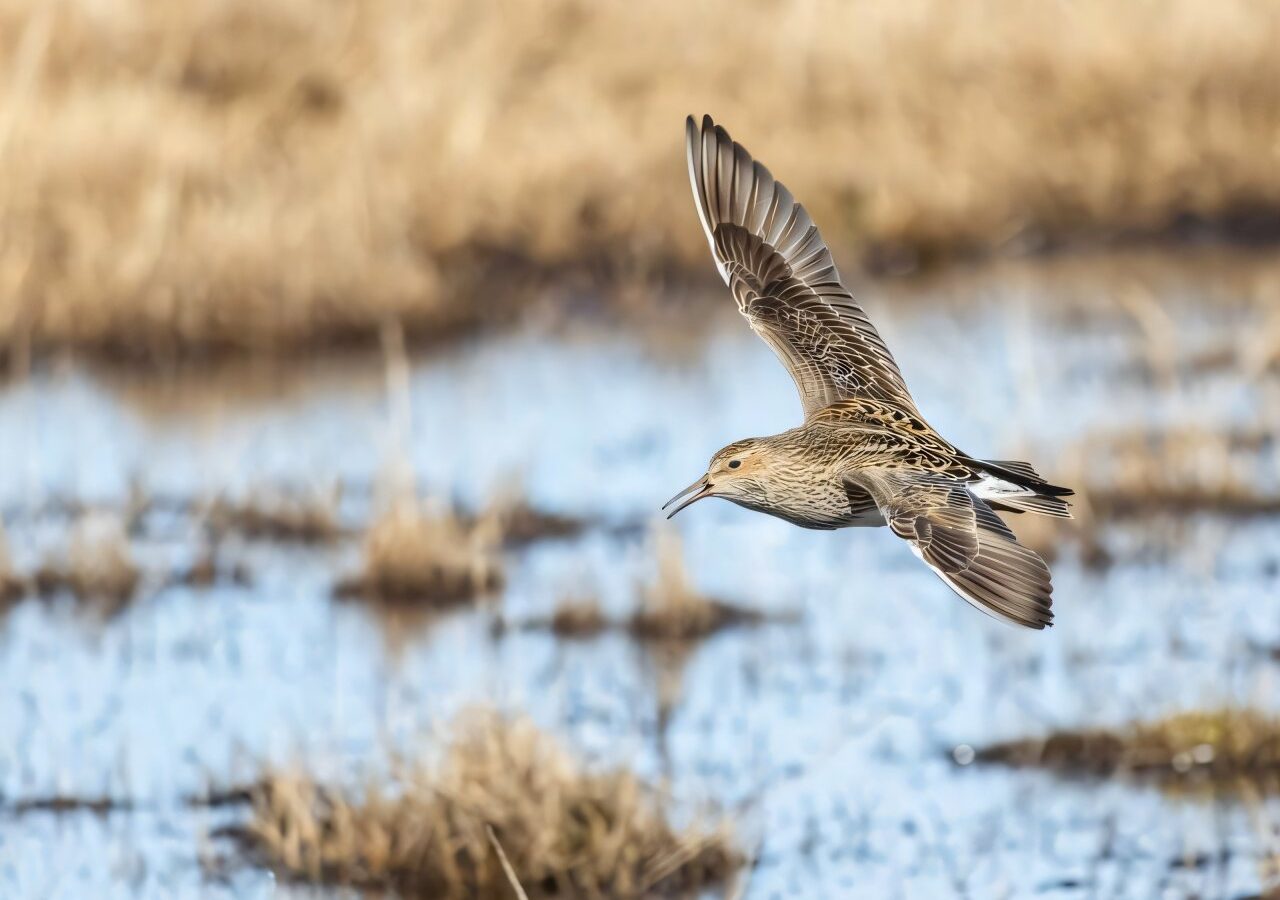
Habitat type drives site fidelity
Researchers found that birds nesting in the Arctic tundra return far less often than those breeding in forested areas, grasslands, and arid regions. The pattern becomes even stronger when looking at populations located farther north within the tundra zone. In contrast, shorebirds in other environments show much higher rates of returning to the same location year after year.
Specific species avoid old sites
Certain ground-nesting birds like pectoral sandpipers and long-billed dowitchers seldom revisit the exact area where they laid eggs previously. Even among species known for returning, such as oystercatchers, individual members sometimes choose to settle in a completely new location instead. This behavior challenges the common assumption that all migratory shorebirds rely on home advantage for feeding or roosting.
Study uses decades of data
The team led by Bart Kempenaers drew upon published field records spanning many years to reach these conclusions. Their work covers shorebird populations found across the Northern Hemisphere rather than focusing on a single region. These findings help scientists understand how geography influences breeding decisions for long-distance migrants.
Reported by one outlet
Only one outlet has published this. Nothing here has been checked against a second report, so read it as that outlet's account and follow the link below for the original.
Reported by
1 independent outlet. Headline as published. Links open the original report.