Ancient Malawi bones reveal how early humans shared food resources
Researchers in Malawi are analyzing animal bones to understand the social interactions and territorial strategies of ancient foraging communities.
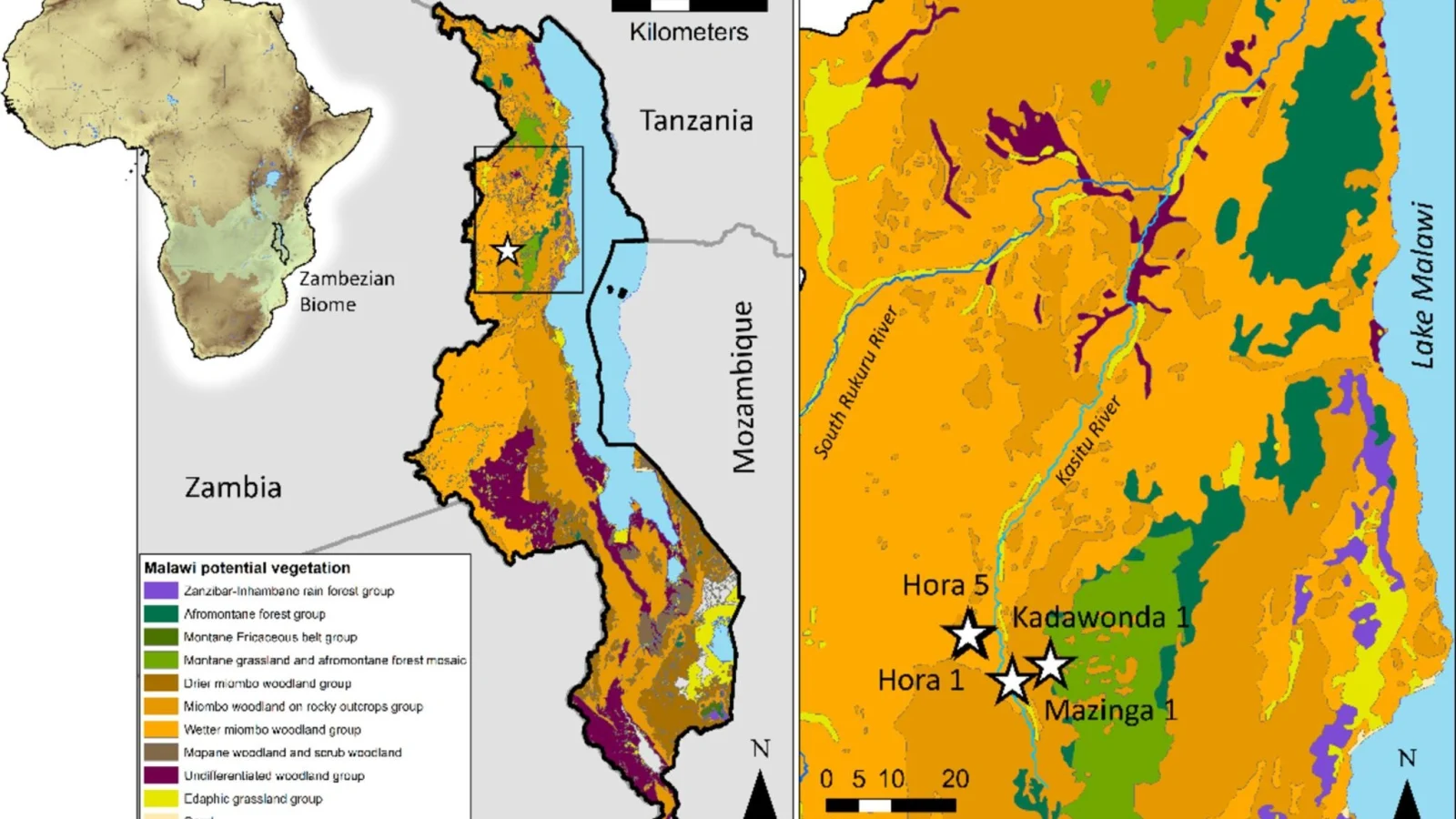
Food distribution shaped ancient groups
Scientists suggest that how food resources were distributed determined whether ancient people defended territory or shared with strangers. When resources are clustered in predictable ways, communities likely established boundaries to protect them. Conversely, sparse resources made it difficult to defend land, leading to more fluid group interactions.
Modern foragers offer clues
Current studies of modern groups like the Okiek in Kenya show families controlling honey harvesting as a territorial strategy. In contrast, !Kung foragers in the Kalahari Desert hunt across wide areas with fluid boundaries between their groups. These modern examples help explain the choices ancient people faced when deciding to defend or share food.
Reported by one outlet
Only one outlet has published this. Nothing here has been checked against a second report, so read it as that outlet's account and follow the link below for the original.
Reported by
1 independent outlet. Headline as published. Links open the original report.