Ancient DNA reveals genetic cause for single eye socket infant
Researchers in Peru identified a rare genetic condition causing cyclopia in a 1,600-year-old infant buried with another child at the Jauranga site.
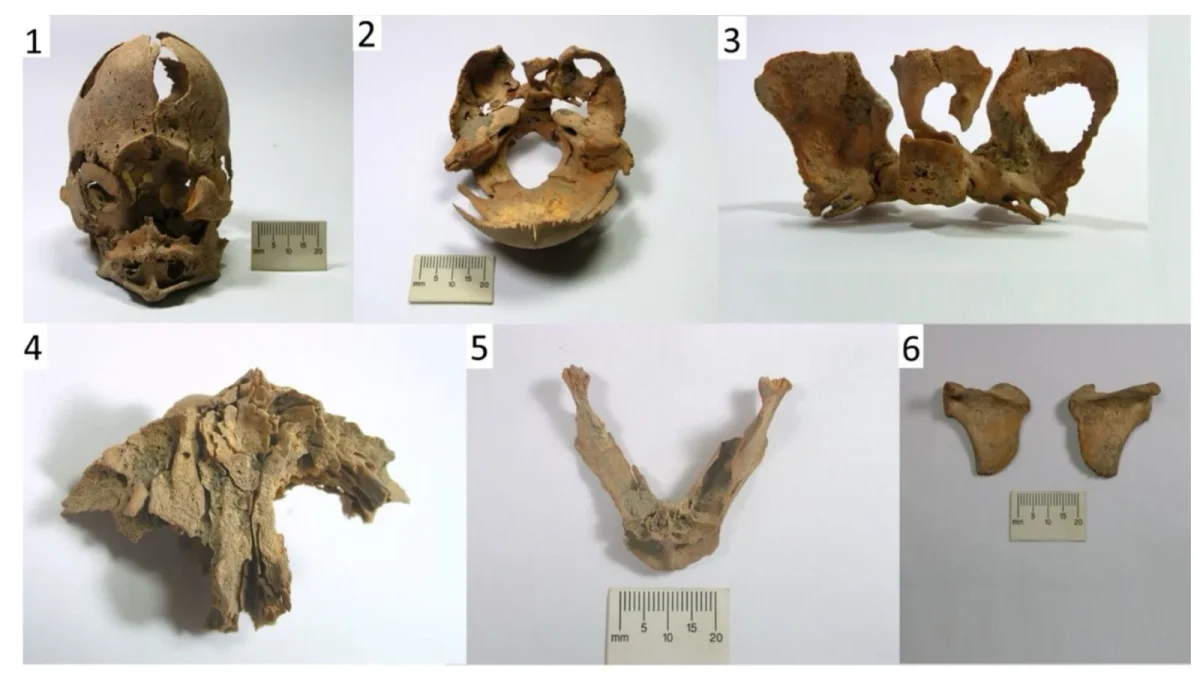
Excavation finds two infants together
Scientists excavated Burial 25 at the Middle Nasca cemetery in southern Peru's Palpa Valley. The grave contained two female infants placed inside a single ceramic vessel around 325 to 440 CE. One skeleton, labeled JA13A, displayed severe facial abnormalities while the other, JA13B, showed no skeletal issues. Both skeletons remained articulated within their natural positions rather than being scattered in the soil.
Genetic analysis explains the condition
Ancient DNA sequencing confirmed that both infants possessed female genetic markers but belonged to different maternal haplogroups, D1 and C1. JA13A carried an extra copy of chromosome 13 known as trisomy 13 which caused her developmental issues. This specific chromosomal error resulted in a single eye socket centered on the forehead along with missing nasal bones. The study published these findings in Proceedings of the National Academy of Sciences.
Burial context remains unclear
Researchers examined the burial to understand how the Middle Nasca community treated individuals with bodily differences after death. The grave lay in a shallow soil layer within a cemetery built over an older Paracas period settlement. Although JA13A had malformed shoulder blades and spinal bones, the report does not confirm if she was considered disabled by her peers.
Reported by one outlet
Only one outlet has published this. Nothing here has been checked against a second report, so read it as that outlet's account and follow the link below for the original.
Reported by
1 independent outlet. Headline as published. Links open the original report.