2011 Japan tsunami caused fish hybridization but species boundaries remained intact
A 2011 tsunami in northeastern Japan mixed marine and freshwater stickleback populations, yet genetic analysis shows species boundaries largely held.
Tsunami altered coastal habitats
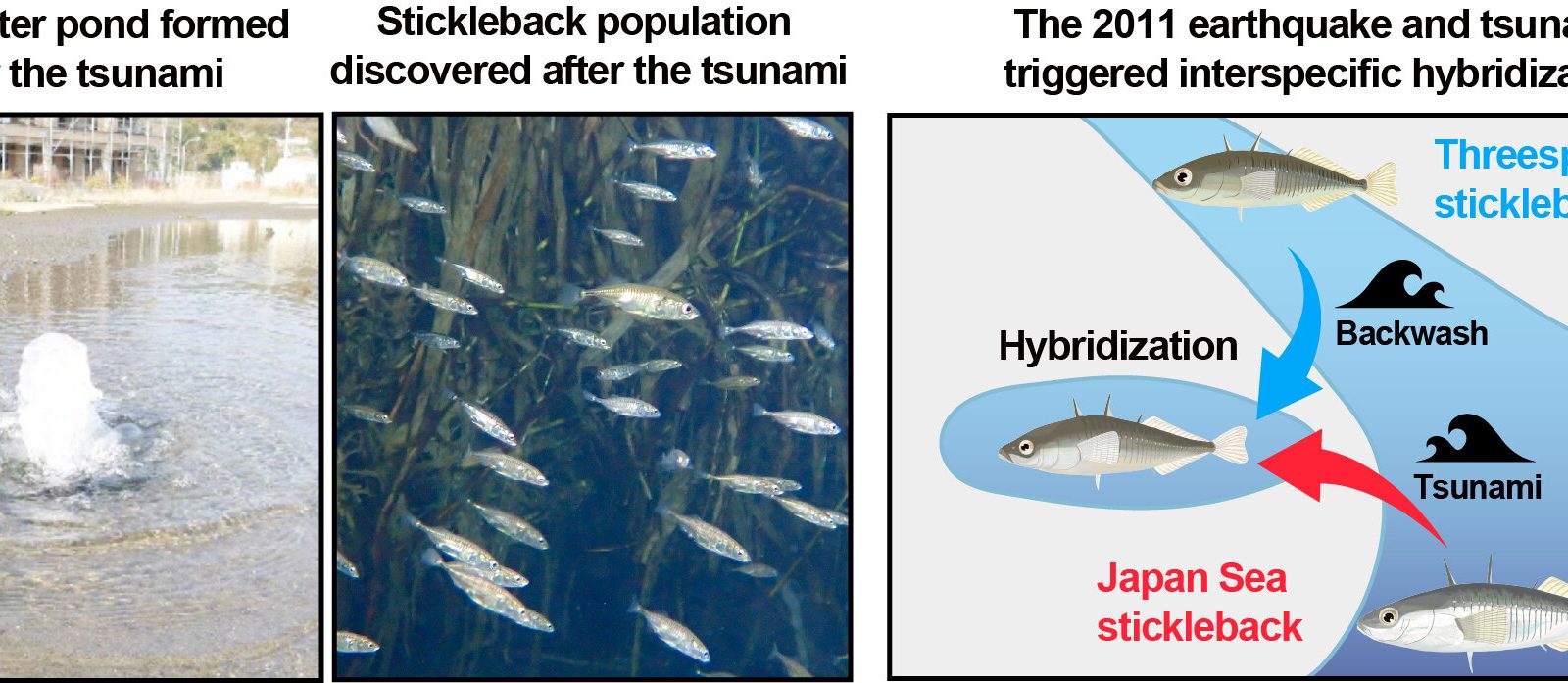
The Great East Japan Earthquake triggered a wave exceeding 10 meters in height along the Pacific coast. This disaster dramatically changed environments in Iwate Prefecture and brought previously separated species into contact.
Hybridization occurred between species
The event moved marine Japan Sea stickleback from the sea into freshwater areas where they met other populations. Researchers observed that this disturbance led to gene exchange between the two distinct groups.
Species boundaries persisted
Despite the mixing, genomic regions introduced from the other species were largely eliminated quickly. The study concludes that reproductive isolation mechanisms successfully maintained separate species identities after the event.
Reported by one outlet
Only one outlet has published this. Nothing here has been checked against a second report, so read it as that outlet's account and follow the link below for the original.
Reported by
1 independent outlet. Headline as published. Links open the original report.