USC Study Links PFAS Chemicals to Higher Liver Cancer Risk
Researchers at the Keck School of Medicine of USC found that exposure to two specific forever chemicals increases liver cancer odds by up to 2.5 times in people with genetic susceptibility.
Study Identifies Two Dangerous Chemicals
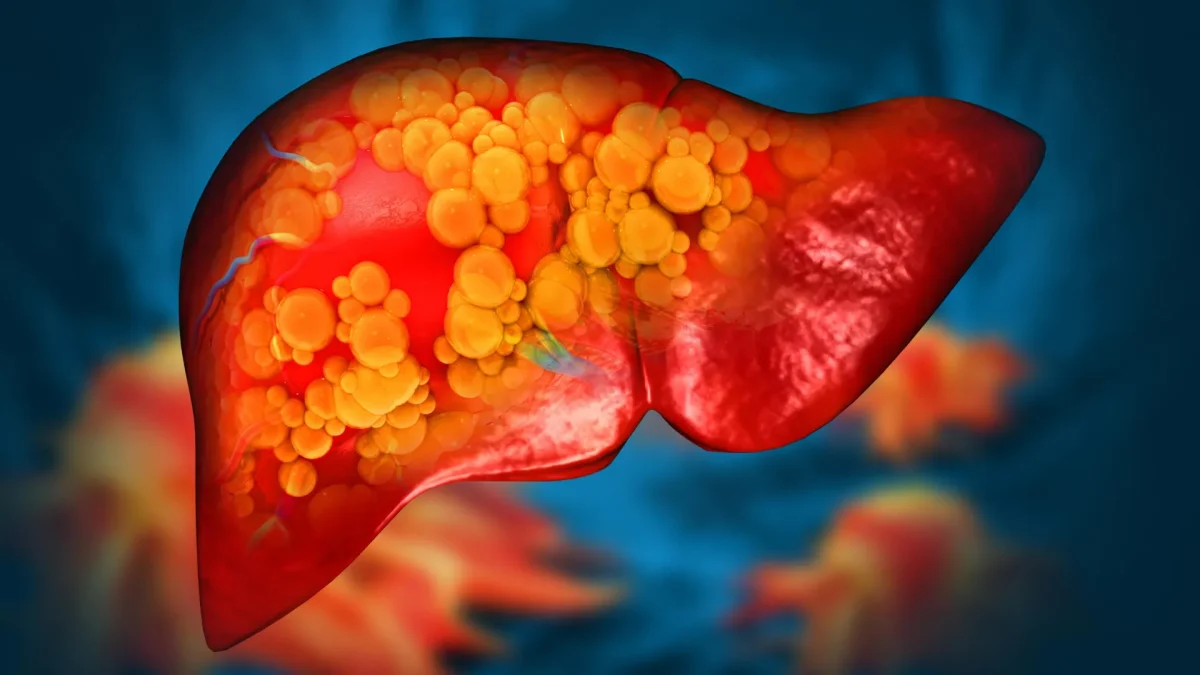
Scientists from the University of Southern California linked two lesser-known per- and polyfluoroalkyl substances to significantly higher odds of developing liver cancer. The research, published in Environmental Health Perspectives, examined blood samples from 223 participants who later developed hepatocellular carcinoma alongside 223 matched controls. One chemical showed a particularly strong association in individuals genetically predisposed to metabolic dysfunction-associated steatotic liver disease. This condition is commonly known as fatty liver disease and represents the fastest-growing underlying cause of this cancer type.
Genetic Susceptibility Amplifies Chemical Harm
The study team measured concentrations in samples collected an average of 7.8 years before diagnosis to investigate exposures preceding illness. Since the 1990s, the Multiethnic Cohort Study has followed more than 215,000 participants living in California and Hawaii. Lead author Jesse Goodrich noted that PFAS disrupt liver processes used to break down and manage fats effectively. This interference encourages fat accumulation in the organ over time, potentially increasing the likelihood of cancer development.
Widespread Exposure Raises Public Health Concerns
Hundreds of consumer products contain these substances ranging from nonstick cookware to stain-resistant fabrics and firefighting foam. Approximately half of the current U.S. water systems have found PFAS contamination within their drinking water. An estimated 99 percent of the global population now has measurable concentrations of these chemicals in their blood. The most common liver cancer type maintains a five-year survival rate below 20 percent according to current data.
Reported by one outlet
Only one outlet has published this. Nothing here has been checked against a second report, so read it as that outlet's account and follow the link below for the original.
Reported by
1 independent outlet. Headline as published. Links open the original report.